
 Exness
 LiteFinance
 NordFX
 XM
XM
 Vantage
 EBC
EBC
 IUX
IUX
 OctaFX
 South Africa (9)
 India (9)
 Bangladesh (12)
 Germany (9)
 Thailand (10)
 Philippines (9)
 Nigeria (10)




Voted for the best STP brokers for 2026. Chosen for fast order routing, zero dealing desk, and reliability.



In a market flooded with noise, how do you know your broker isn’t trading against you? STP brokers offer a cleaner, more honest alternative. But only a few stand out in 2026. We’ve analyzed the best ones—transparent, fast, and fair. The right broker can transform your entire trading experience.
Exness, AssetsFX, LiteFinance, OctaFX, RoboForex, and TickMill are the best STP brokers. Why? Because they deliver what matters most: reliability, lightning-fast execution, and transparent pricing. These aren’t just buzzwords—they’re the core of a genuine STP experience. No wonder savvy traders consider them the best.
Today’s review highlights the best STP (Straight Through Processing) brokers you can trust. These platforms send your trades directly to the market—no dealing desk, no delays.
STP (Straight-Through Processing) broker connects you directly to the market. Your trades go straight to liquidity providers like banks, without interference. This eliminates the dealing desk, so there’s no price manipulation. You see the price, and that’s the price you get.
A STP brokers are important for Forex traders because they offer transparency. The prices are accurate, and you avoid hidden fees or re-quotes. The broker’s job is simply to execute your trades, not to profit from your losses.
With a STP broker, you get fast execution, better pricing, and no manipulation. You can trust the prices you see, knowing they come from real market sources.
STP brokers work by routing your trade orders directly to liquidity providers, like banks or financial institutions. When you place a trade, the broker doesn’t mess with the price. Your order goes straight to the market, and you get the price as it is. There’s no dealing desk involved, so you don’t have to worry about manipulation.
Instead of widening spreads or adjusting prices, STP brokers earn their money by charging a commission on each trade. This means you know exactly what you’re paying for. The broker’s earnings are tied to the commission, not your losses, so there’s no conflict of interest.
STP brokers also provide faster execution. Your trades are sent straight to liquidity providers, cutting down delays compared to brokers with a dealing desk.
This is crucial for scalpers and short-term traders who need quick, reliable executions.
For traders, the benefit is clear: STP brokers offer a transparent and fair experience. You see real-time prices based on actual market data.
With the rise in demand for transparency in 2024 and 2025, more traders are turning to STP brokers for fair pricing and faster, more reliable trade execution.
Over the past few years, I’ve tested many brokers like Exness, AssetsFX, LiteFinance and more across different styles and needs. Each one brought something new to the table. However, regardless of the type, I always focus on what truly matters to traders.
Factors such as speed, trust, and transparency are at the top of the list.
When reviewing STP brokers specifically, I zero in on a few key points.
How fast are their trade executions?
Do they offer clear, honest pricing?
Most importantly, do they send your orders straight to the market without any middlemen? These factors can make all the difference.
Start here!
| Brokers | TrustPilot Ratings | Minimum Deposit | Regulations | Spreads | Demo Account |
|---|---|---|---|---|---|
| Exness | 4.8 | $10 | CY & CySEC | 0.0–0.3 pips | Yes |
| AssetsFX | 4.6 | $10 | FSC | 0.0–1.0 pips | Yes |
| LiteFinance | 4.0 | $10 | SVG & CySEC | 0.0–3.0 pips | Yes |
| OctaFX | 4.3 | $25 | FCA & CySEC | 0.0–0.6 pips | Yes |
| RoboForex | 2.5 | $10 | FSC | 0.0–1.3 pips | Yes |
| TickMill | 3.6 | $100 | FSA & CySEC | 0.0–1.6 pips | Yes |
Exness has grown into one of the biggest names in the financial market. With thousands of active clients worldwide, it’s clear why they’re considered a top broker. They follow strict rules and have earned a strong reputation for consistently meeting their commitments.
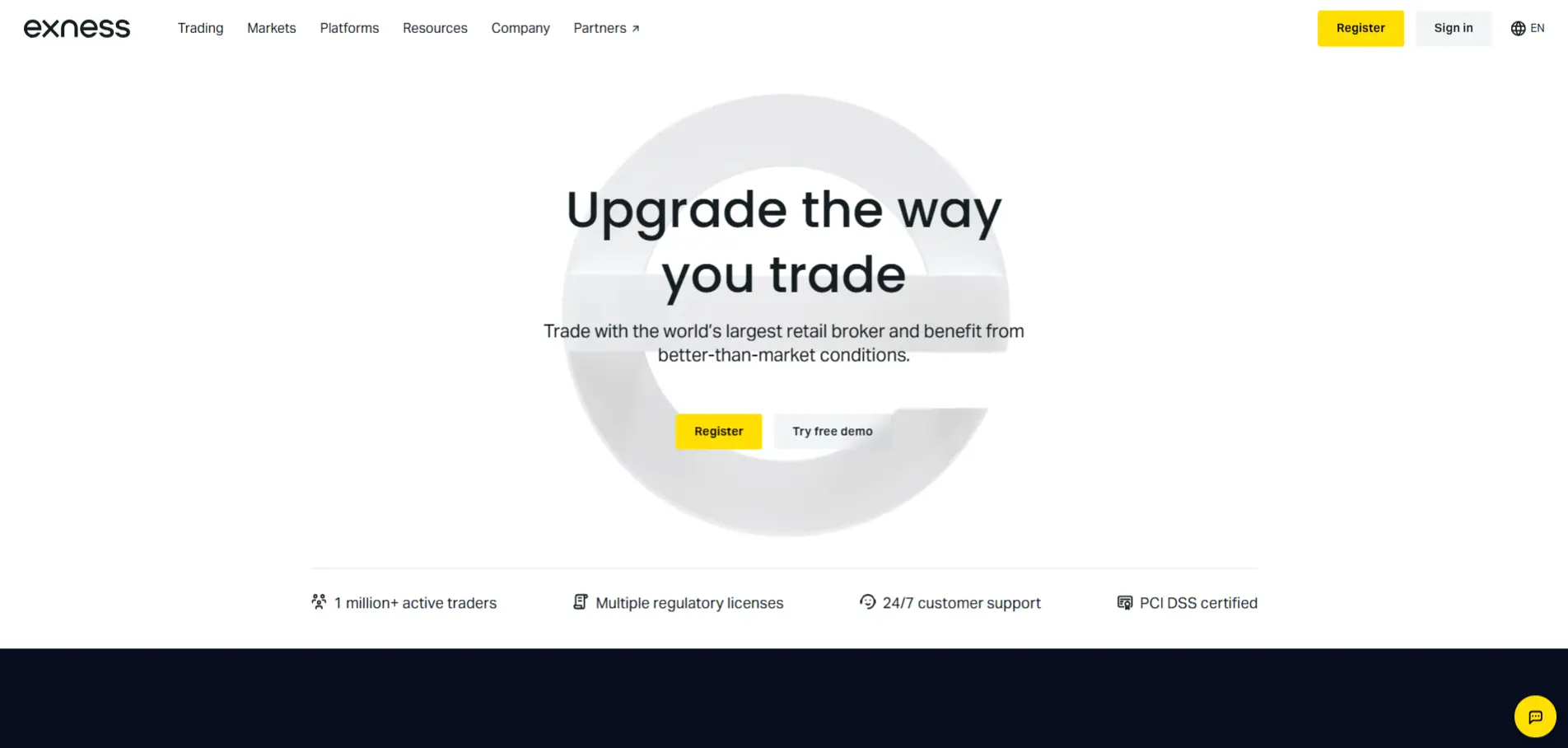
What sets Exness apart is its competitive trading conditions and wide range of assets. While they are best known for currency pairs—with over 100 available—they also offer trading in indices, cryptocurrencies, and stocks.
Security remains a top priority, with a reliable system in place to safeguard your funds and data.
Exness’s STP account provides you with direct access to the market. There’s no dealing desk involved. You can begin trading with just $10. Spreads are tight, starting at 0.0 pips. Leverage is flexible and can be unlimited. You can definitely trade in small sizes, starting from 0.01 lots. Scalping is permitted.
Since its inception in 2013, AssetsFX has prioritized security and fairness. The platform utilizes advanced encryption to safeguard user data and funds, providing traders with peace of mind. Execution speed is another key strength — orders are processed almost instantly, reducing slippage and enhancing trade outcomes.
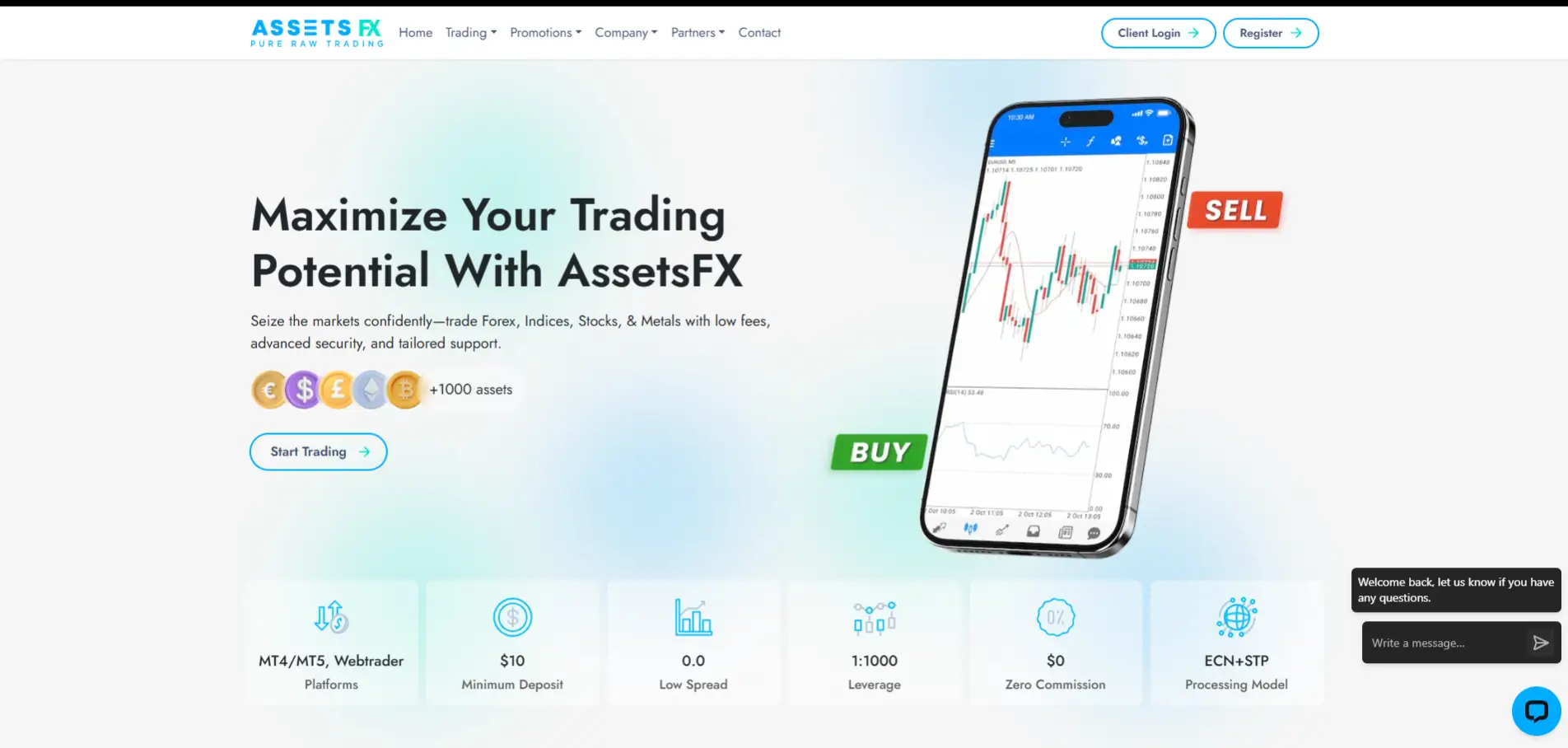
The STP account suits both beginners and experienced traders.
You can start with just $10. Spreads are ultra-tight, from 0.0 pips. This means better prices for you. The leverage increases to 1:1000, providing you with more buying power. You can trade very small sizes, starting at 0.01 lots. And the key reason why I put this in the STP broker list.
Founded in 2005, LiteFinance reshaped the trading world. It introduced cent accounts, allowing users to start with very little investment. The platform breaks down barriers. It provides everything you need to start trading, from educational materials to flexible account options.
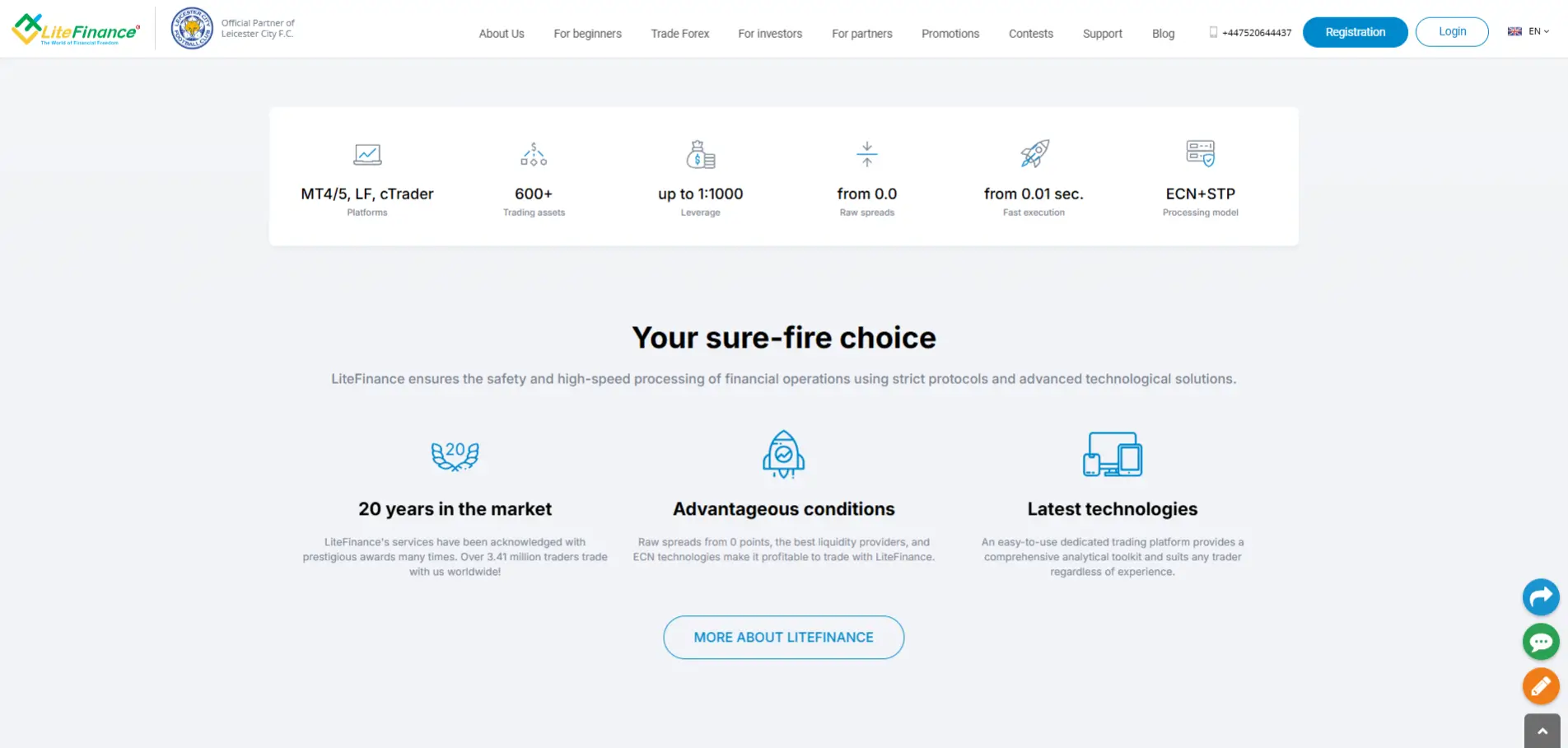
Looking to trade with speed and precision?
LiteFinance’s STP account might be precisely what you need. With a minimum deposit of just $10, it’s easy to get started. You can enjoy zero-pip spreads on major currency pairs and leverage up to 1:1000. And this is perfect for traders who want more control over their capital.
While OctaFX claims to have over 10 million users — a number not independently verified — its reputation for excellent customer service is well established.
It’s a broker that focuses on helping traders grow their trading portfolios.
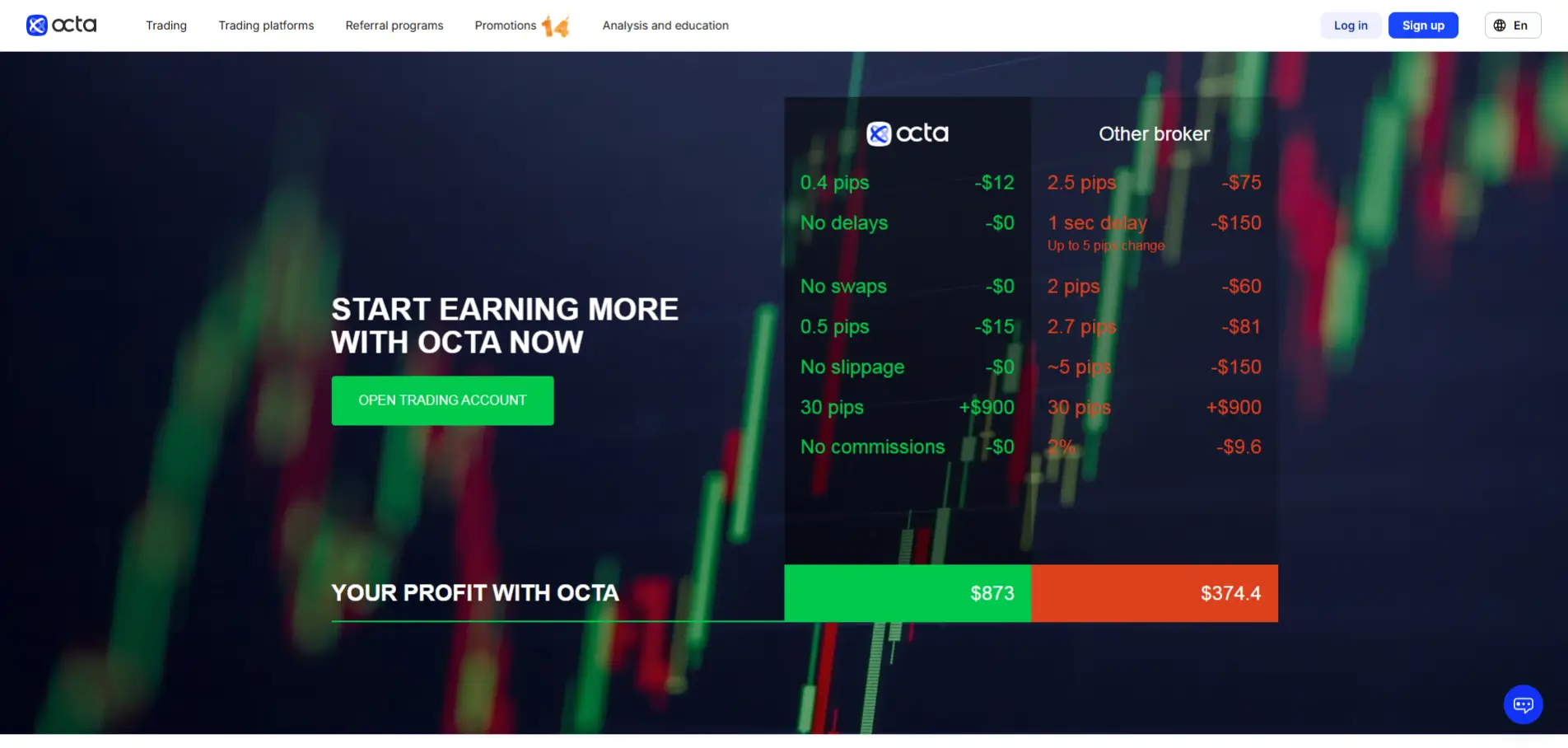
If you're after a hassle-free experience with strong features and fair pricing, OctaFX is worth considering.
The OctaFX STP account is built for traders who value direct execution and clean pricing. A $25 deposit is all you need to get started. Spreads start from 0.6 pips on major forex pairs. Leverage reaches up to 1:1000, providing ample room for scaling. Trade sizes begin at just 0.01 lots.
Since 2009, RoboForex has built a strong reputation. It’s trusted by traders worldwide thanks to its reliable customer service and solid security measures.
The broker is regulated by respected authorities, which means it follows strict rules to keep your funds safe. RoboForex stands out for its variety of account types and massive selection of trading products.
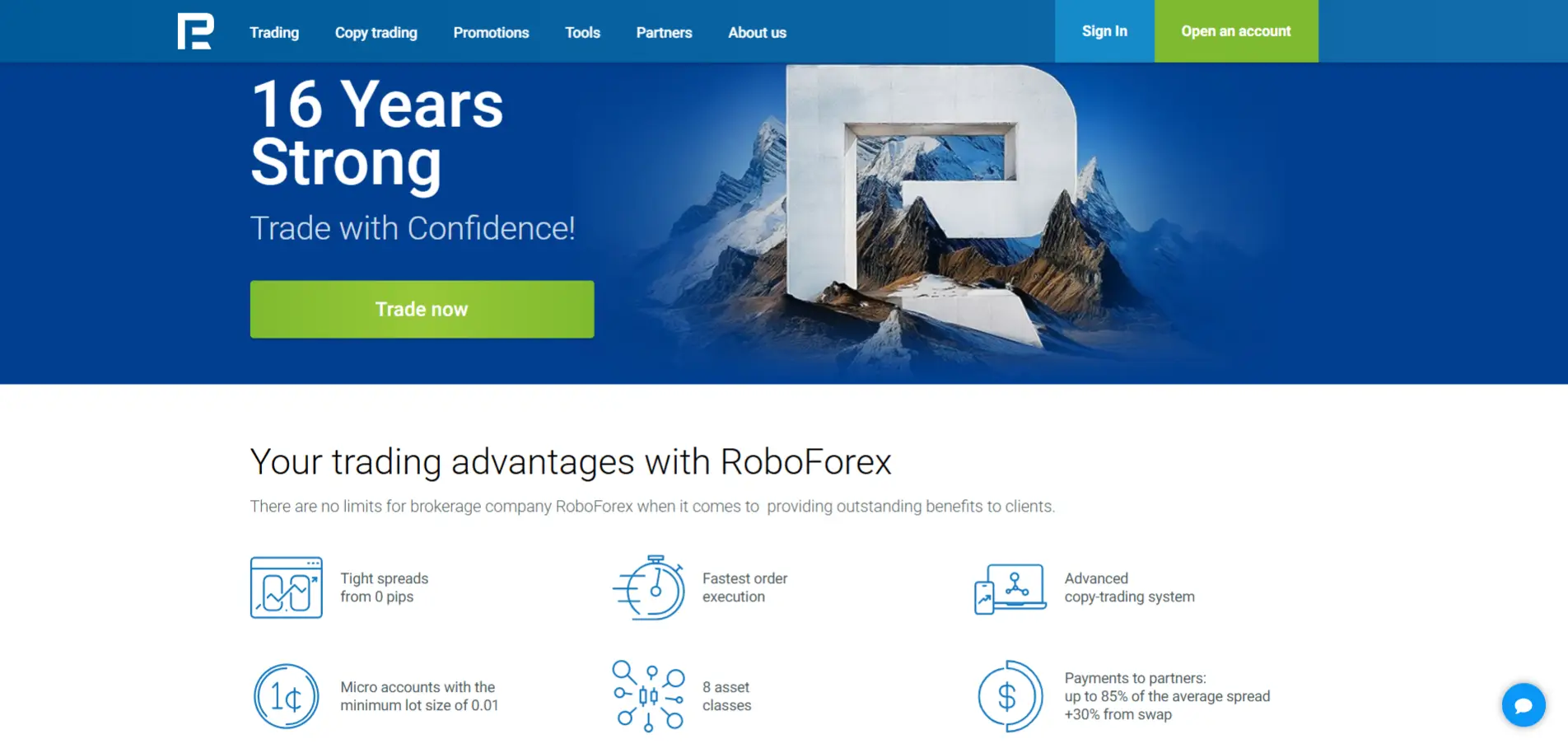
The STP account gives you fast, direct access to the markets. Start trading with just $10. Spreads begin at 0.0 pips. Leverage goes up to 1:2000, offering huge potential. The minimum trade size is 0.01 lots — ideal for careful risk management. Scalping and hedging are both allowed.
TickMill, launched in 2014, has quickly become a favorite among traders seeking powerful yet user-friendly tools.
With competitive spreads starting at 0.0 on ECN accounts, it offers cost-effective trading. The MetaTrader 4 and 5 platforms make trading simple, even for beginners. Regulated by top bodies such as the FCA, FSA Seychelles, and CySEC, TickMill ensures that your funds and trades are secure.

TickMill’s STP account offers direct market access with tight spreads starting at 0.1 pips. You can open an account with a minimum deposit of $100. Leverage reaches up to 1:1000, providing you with ample trading power. The minimum trade size is 0.01 lots, perfect for precise risk management. Scalping is allowed, but hedging is not supported.
Low spreads matter when you want to keep your trading costs under control. STP brokers help you do that because your orders go straight to the market and you see prices as they are. You feel the difference when you trade often, even with small positions, because tighter spreads save you money every single day.
| Brokers | Spreads |
|---|---|
| Exness | 0.0-0.3 pips |
| AssetsFX | 0.0-1.0 pips |
| LiteFinance | 0.0-3.0 pips |
| OctaFX | 0.0-0.6 pips |
| RoboForex | 0.0-1.3 pips |
| TickMill | 0.0-1.6 pips |
You want to try trading without risking money. With the right STP broker offering a demo account, you can trade fake money while you learn. A good STP broker with a demo account lets you practice real trades under real conditions. This way you build confidence before using real funds.
| Brokers | Demo Accounts |
|---|---|
| Exness | Yes |
| AssetsFX | Yes |
| LiteFinance | Yes |
| OctaFX | Yes |
| RoboForex | Yes |
| TickMill | Yes |
If you want a broker that follows rules and protects your money, regulated STP brokers are worth a look. These brokers meet financial standards from official bodies and pass regular audits. That means they hold your funds separately, use transparent pricing and fair trading practices.
| Brokers | Regulatory Bodies |
|---|---|
| Exness | CY & CySEC |
| AssetsFX | FSC |
| LiteFinance | SVG & CySEC |
| RoboForex | FSC |
| TickMill | FSA & CySEC |
| FP Markets | ASIC & CySEC |
| OctaFX | FCA & CySEC |
A high leverage STP broker gives you more buying power with a small deposit. You can open larger positions and react fast when the market moves. A good STP broker keeps spreads tight and offers leverage of 1:200 or higher. Always check the margin rules so you know how much risk you are taking.
| Brokers | Leverage |
|---|---|
| Exness | 1:1000 |
| AssetsFX | 1:1000 |
| LiteFinance | 1:1000 |
| RoboForex | 1:2000 |
| TickMill | 1:1000 |
| FP Markets | 1:500 |
| OctaFX | 1:1000 |
I know you want a STP broker that respects your religious beliefs. A broker with an Islamic account offers no interest or swap fees on overnight trades. That helps traders following Sharia rules trade without worry. It gives you access to real-market pricing while staying aligned with your faith.
| Brokers | Sharia Compliance Account |
|---|---|
| Exness | Available |
| AssetsFX | Available |
| LiteFinance | Available |
| RoboForex | Available |
| TickMill | Available |
| FP Markets | Available |
| OctaFX | Available |
You open your platform for the first time and want a setup that feels easy to understand. When a STP broker offers MT4 or MT5, you get tools that guide you without adding pressure. You watch your charts move, place small test trades, and learn the flow of the market at your own pace.
| Brokers | Trading Platforms |
|---|---|
| Exness | MT4, MT5 |
| AssetsFX | MT4, MT5, Web |
| LiteFinance | MT4, MT5, MobileTrader (MobileApp) |
| RoboForex | MT4, MT5, WebTrader, MobileTrader (MobileApp), R Stocks Trader |
| TickMill | MT4, MT5, Web |
| FP Markets | MT4, MT5, cTrader, WebTrader, TradingView |
| OctaFX | MT4, MT5, Octatrader |
Choosing a Forex broker can be tricky. But understanding the differences between STP, ECN, and Market Maker brokers will make it easier for you. Here’s a quick breakdown of each one.
| Features | STP Broker | ECN Broker | Market Makers |
|---|---|---|---|
| Execution Speed | Fast, direct routing | Very fast, direct from liquidity providers | Slower, broker may take the opposite side |
| Spreads | Variable, usually lower than market makers | Very tight, can hit zero | Fixed, often wider tha STP or ECN brokers |
| Commissions | Charged per trade | Charged per trade | None or included in spread |
| Transparency | High, prices come directly from the market | Very high, raw market prices | Lower, broker controls the price |
| Best for Scalpers | Good, fast execution and transparency | Excellent, very fast execution and tight spreads | Not ideal, slower execution and wider spreads |
When it comes to selecting the best STP (Straight-Through Processing) brokers, it's important to focus on a few key factors. These factors ensure that you get the most efficient and transparent trading experience. Here’s a simple breakdown of what to look for.
Top STP brokers offer clear, competitive pricing with no hidden fees. Since STP brokers connect your orders directly to liquidity providers, you receive real market prices. Look for brokers that provide tight spreads and low commissions to avoid additional costs that can eat into your profits.
Execution speed matters, especially for active traders. The best STP brokers ensure your orders are processed quickly and without delays. This is crucial for strategies like scalping or day trading, where speed is essential for securing profits. Choose a broker known for fast, reliable execution with minimal slippage.
Always choose a regulated STP broker. Regulatory bodies like the FCA or ASIC ensure that brokers follow strict standards and offer protection for your funds. A regulated broker also gives you more confidence that your trades are handled fairly and securely.
Responsive customer support can make a significant difference when trading. A reliable STP broker should offer multiple contact options, such as live chat, email, and phone support, to assist you whenever issues arise.
At TopAsiaFX, we specialize in evaluating and comparing STP brokers based on key factors like pricing, execution speed, regulation, and support. Our insights can help you choose a broker that aligns with your trading goals, ensuring a smooth and successful trading experience.
In 2026, STP (Straight‑Through Processing) forex brokers are generally safe and reliable, but you need to look for certain factors to make sure your trading experience is smooth.
STP brokers send your orders directly to liquidity providers without interference. This creates a transparent process, meaning you get market prices without the broker manipulating spreads.
Since there’s no dealing desk, the broker doesn’t trade against you, which makes it a fairer option compared to other broker types.
Regulation is another important factor. Most reputable STP brokers are regulated by trusted authorities like the FCA or ASIC.
These regulations require brokers to follow strict guidelines, such as keeping your funds separate from their own. This reduces the risk of fraud and ensures better protection for your money.
However, STP brokers are not without risks. In volatile market conditions, spreads can widen, and execution may be slower than usual. It’s important to check how the broker handles such situations.
Also, not all brokers that claim to be regulated are equally trustworthy. Brokers with weak or offshore regulation may not offer the same level of protection.
To ensure your STP broker is safe, verify the following:
When a STP broker meets these standards, it offers a reliable and fair trading environment. But remember, market risk is always present. Manage your trades carefully.
One key advantage of STP brokers is their transparency. You won’t face the conflict of interest found in dealing desk brokers since STP brokers don’t trade against you.
Instead, they connect you straight to the market, ensuring fairer pricing and execution.
You can also use automated trading strategies or scalp without restrictions, which many brokers limit.
Another benefit is the tight spreads that STP brokers typically offer during periods of high liquidity. When the market is active, you’ll often find that spreads are narrow, making it easier to capture small profits.
However, STP brokers are not perfect for scalping in all situations. During volatile market conditions or periods of low liquidity, spreads can widen, and slippage may occur.
This can reduce the effectiveness of scalping strategies, as even a small increase in spread can eat into your profits.
Moreover, STP brokers provide a favorable environment for scalping. They offer fast execution, transparent pricing, and the ability to trade without restrictions. But, like any trading strategy, it’s essential to manage risk, stay alert, and adapt to changing market conditions.
If you do so, STP brokers can be a reliable option for successful scalping.
Finding the right STP broker can make a huge difference in your trading experience. You want a broker that prioritizes transparency, reliability, and efficiency. Here’s what to focus on.
A good STP broker gives you direct access to the market, bypassing the dealing desk. This means your trades go straight to liquidity providers like banks or financial institutions. This system ensures faster execution, real market prices, and no conflict of interest. You won’t be trading against your broker, which means you can trust the fairness of your pricing.
Check the broker's pricing structure. A good STP broker offers transparent spreads and commissions, without hidden fees. Floating spreads that reflect real-time market conditions are often best, as they keep things straightforward. If your broker charges commissions, make sure they’re easy to understand and clearly displayed.
When you trade, every second counts. Your broker should provide fast order execution with minimal slippage. In volatile markets, delays can cost you, especially if you’re a scalper. A solid STP broker handles your trades quickly and efficiently, allowing you to seize opportunities without hesitation.
Security matters. Choose a STP broker that is regulated by a reputable authority like the FCA or ASIC. Regulation ensures that the broker follows strict standards, keeping your funds safe and secure. It also guarantees transparency in operations, providing you with added protection.
Your broker’s platform should be intuitive and reliable. Whether you prefer to trade on desktop or mobile, a solid platform makes all the difference. It should offer features like advanced charting tools, order management, and real-time data. Make sure it’s easy to navigate, stable, and supports your trading style.
Things don’t always go smoothly. When you encounter an issue, you need a responsive customer support team. Look for brokers that offer multiple contact methods—live chat, email, and phone—and are quick to assist when you need them most.
Lastly, ensure that your broker fits your trading strategy. Whether you're a short-term trader or a long-term investor, the right STP broker should offer the tools and conditions you need. Scalpers, for example, will benefit from low spreads and fast execution, while swing traders will look for a stable, user-friendly platform and good customer support.
Several key factors influence your trading experience, and understanding them can help you make an informed decision. Here's how to evaluate STP brokers based on spreads, leverage, and other important features.
Spreads are one of the most important aspects to consider when evaluating a STP broker. Since STP brokers pass your orders directly to liquidity providers, they typically offer floating spreads that change with market conditions.
Ideally, you want tight spreads, especially if you're a day trader or scalper. Low spreads mean lower costs for each trade, which can add up significantly over time. Look for brokers that offer competitive spreads with minimal markup to ensure you're getting the best possible price.
Leverage allows you to control a larger position with a smaller amount of capital. While high leverage can increase your potential for profit, it also amplifies your risk. Many STP brokers offer leverage ratios ranging from 1:30 to 1:500, depending on the regulatory jurisdiction. When evaluating leverage, consider your risk tolerance and trading strategy.
If you’re a beginner, it's advisable to choose lower leverage to avoid significant losses. Always ensure that the broker’s leverage offerings comply with the regulations of your region.
Another critical factor is the speed of order execution. STP brokers are known for fast execution because they route orders directly to liquidity providers without any interference. However, execution speed can vary from broker to broker.
If you rely on quick market moves, such as in scalping or high-frequency trading, ensure that the broker offers low latency and minimal slippage. Test their order execution to see how quickly and efficiently your orders are filled.
Who you trade with matters just as much as how you trade. The best STP broker gives you more than just fast execution—it gives you peace of mind. No manipulation, no hidden agendas. Just pure, direct trading.
Exness, AssetsFX, LiteFinance, OctaFX, RoboForex, and TickMill have earned their place by delivering what matters most: honesty, speed, and control. If you're serious about leveling up, stop guessing.
So, pick your broker carefully—because your profits depend on it.
ECN and STP brokers both offer direct market access, but ECN provides deeper liquidity and tighter spreads by connecting traders to multiple liquidity providers. STP brokers route orders through one or more providers, often with slightly wider spreads. ECN is usually better for high-volume or professional traders.
Yes, Exness primarily operates as a STP broker. It sends your orders straight to liquidity providers without a dealing desk. Some account types also use ECN technology. This means you get fast execution, tight spreads, and transparent pricing.
Not all the brokers make money in the same way. Now In terms of STP brokers, they make money from small spreads and commissions. When you place a trade, the broker sends it directly to liquidity providers like banks. They add a slight markup to the spread, and that difference becomes their profit. And that’s why you should check the broker fees each time you choose one.
As the pricing of the STP brokers come directly from the liquidity provider, you as a trader will find variable spreads with the type of broker. These providers constantly change their bid-ask prices based on market volatility, trading volume, and overall liquidity. When the market remains calm, you can have comparative tight spreads. The opposite happens during news events.
Yes, you can have a more reduced slippage with the STP brokers. But, you can not think of eliminating it completely. What actually happens here is STP brokers send orders straight to liquidity providers, execution is usually faster and more accurate than with dealing-desk brokers. This direct routing cuts delays, which helps minimize both positive and negative slippage.
This is the type of broker who directly sends your trades to the market instead of routing it through an internal dealing desk. Most importantly, the no-dealing brokers never take the opposite side to your trades. This means there is a vast potential making profit going with the broker. Not only that, you can have faster order execution and lower spreads with the type of broke.
Some people think this but actually this is not. You don’t need to be an expert in trading to truely identify whether a broker is a genuine STP broker. What you just really need to do is check how they execute trade and how they make money. That’s enough. Their income comes from spread markups or commissions, not from taking the opposite side of your trades.
The minimum deposit for STP brokers varies depending on the broker’s account type and target traders. Many STP brokers allow small accounts starting from 10–50 USD to make trading accessible to beginners. Some offer mid-range accounts requiring 100–500 USD, which usually come with lower spreads or better execution conditions. Professional STP accounts may require 1,000 USD or more.