
 Exness
 LiteFinance
 NordFX
 XM
XM
 Vantage
 EBC
EBC
 IUX
IUX
 OctaFX
 South Africa (9)
 India (9)
 Bangladesh (12)
 Germany (9)
 Thailand (10)
 Philippines (9)
 Nigeria (10)




Voted for the best low spread brokers 2026. Chosen for the tightest spreads on major trading assets.



What is the most important thing you consider while choosing a Forex broker? Based on your trading preferences, this demand may vary. But for many, choosing a Forex broker with the lowest spreads really makes sense, doesn't it?
LiteFinance, AvaTrade, IC Markets, RoboForex, Trader's Way, and FP Markets are the best low spreads Forex brokers. Apart from the lowest spreads, you can trade with the lowest commissions possible with these brokers. And that’s what matters the most in trading, especially for scalpers and day traders.
My team helped me compile these broker reviews, so you can make smarter, more informed decisions without spending hours on research. We’ve tested the platforms, compared features, and highlighted what truly matters. And so you can focus on trading with clarity and peace of mind.
The best low spread Forex brokers matter because they help you save money on each trade. In Forex, the spread is the small difference between the price at which you buy and the price at which you sell. The lower the spread, the less you pay.
For every trade you make, you need to pay the broker a certain amount of commission. Now, based on the broker and type of account you choose, the exact amount can vary. However, what is important is that low-spread trading increases your profit.
And especially if you're a high-frequency trader, a low-spread, no-commission broker can make your trades significantly more efficient and cost-effective.
Every fraction of a pip saved adds up over time, directly impacting your bottom line and giving you a real edge in fast-paced market conditions.
As you know, you can trade with a wide range of currency pairs. But the spreads the brokers offer may not be the same for currency pairs. That’s why you need to look for spreads based on specific pairs.
Additionally, some brokers charge higher commissions instead of lower spreads. Therefore, it is essential to be aware of this fact. This is exactly what I consider when writing this review, as I have been doing so for years.
| Brokers | TrustPilot Ratings | Spreads | Regulations | Commisions | Minimum Deposit |
|---|---|---|---|---|---|
| LiteFinance | 4.2 | 0.0–3.0 pips | CySEC | $0–$0.25 | $10 |
| AvaTrade | 4.7 | 0.0–0.9 pips | Central Bank of Ireland (EU), ASIC, FSA, FFAJ, FSCA | $10 | $100 |
| IC Markets | 4.8 | 0.0–0.8 pips | ASIC, CySEC | $0–$3 | $200 |
| RoboForex | 2.4 | 0.0–2.3 pips | FSC | $0–$1.5 | $10 |
| Traders’ Way | 4.3 | 0.0–0.7 pips | - | $0–$3 | $10 |
| FP Markets | 4.9 | 0.0–1.0 pips | ASIC, CySEC, FSCA | $0–$3 | $100 |
What have you come to know after having a glimpse of the table above? You’ll find some accounts offered by the brokers with no real commissions. Whereas, you need to pay a certain amount of commissions for some accounts.
Additionally, consider the following factors when selecting a low-spread, no-commission Forex broker.
To deepen your understanding of why spreads matter, check out this great explanation of how spread is calculated in the Forex market — it beautifully illustrates the impact of even the tiniest differences in spread on your trading outcomes.
As you probably know, LiteFinance is one of the top Forex brokers in the world, offering some of the lowest spreads available.
Spreads start from 0.0 pips, especially for major currency pairs like EUR/USD and others. This gives traders a cost-effective edge, particularly in high-volume or short-term trading strategies.
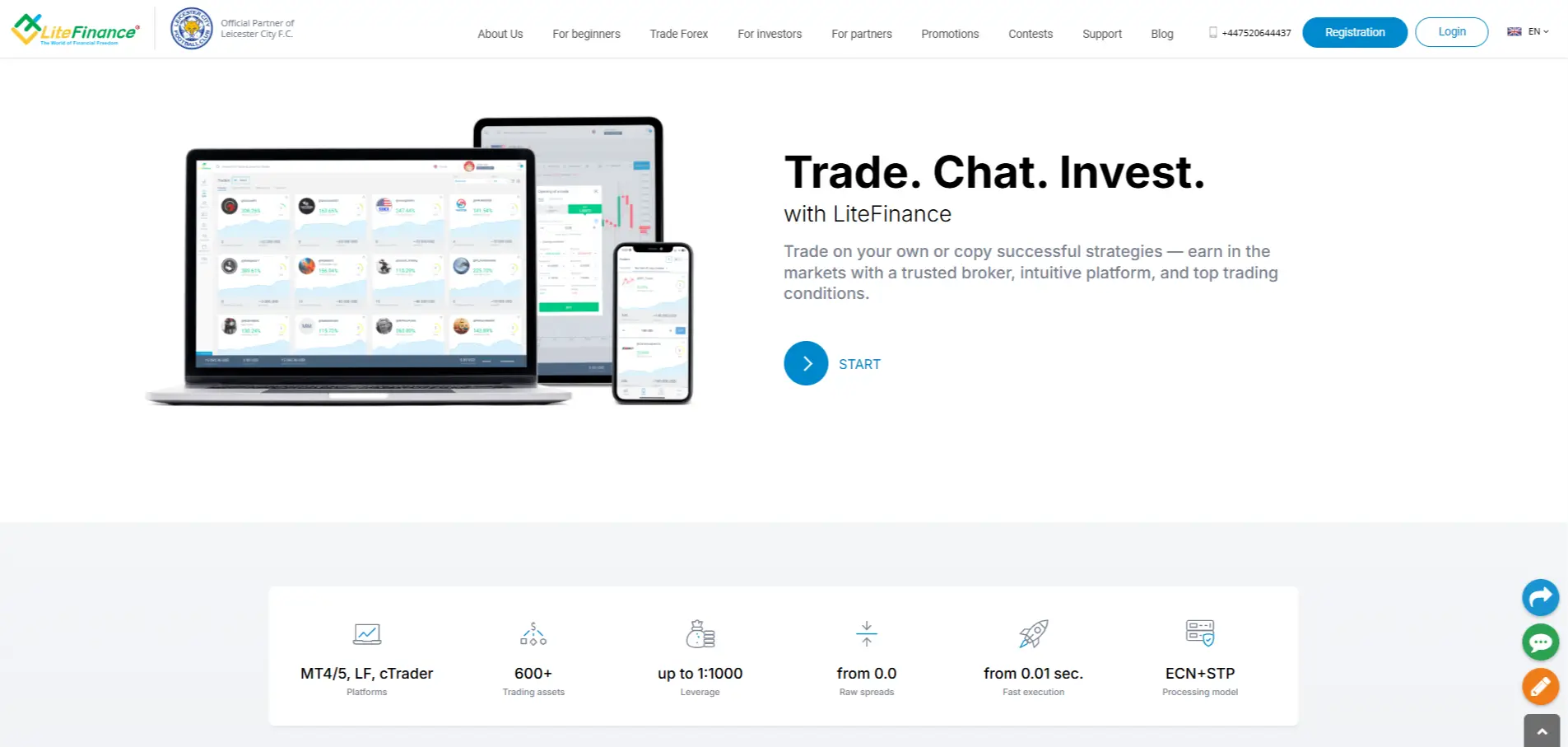
Source: LiteFinance
If you opt for an ECN or STP broker type, the spread remains the same, at 0.0 pips. And for most of the accounts, you don’t need to bother with any sort of commissions.
AvaTrade has also been a well-known name in the Forex industry. From offering a beginner-friendly trading environment to providing powerful platforms like MetaTrader 4 and MetaTrader 5, as well as a user-friendly mobile app, AvaTrade makes it easy for traders of all levels to get started.
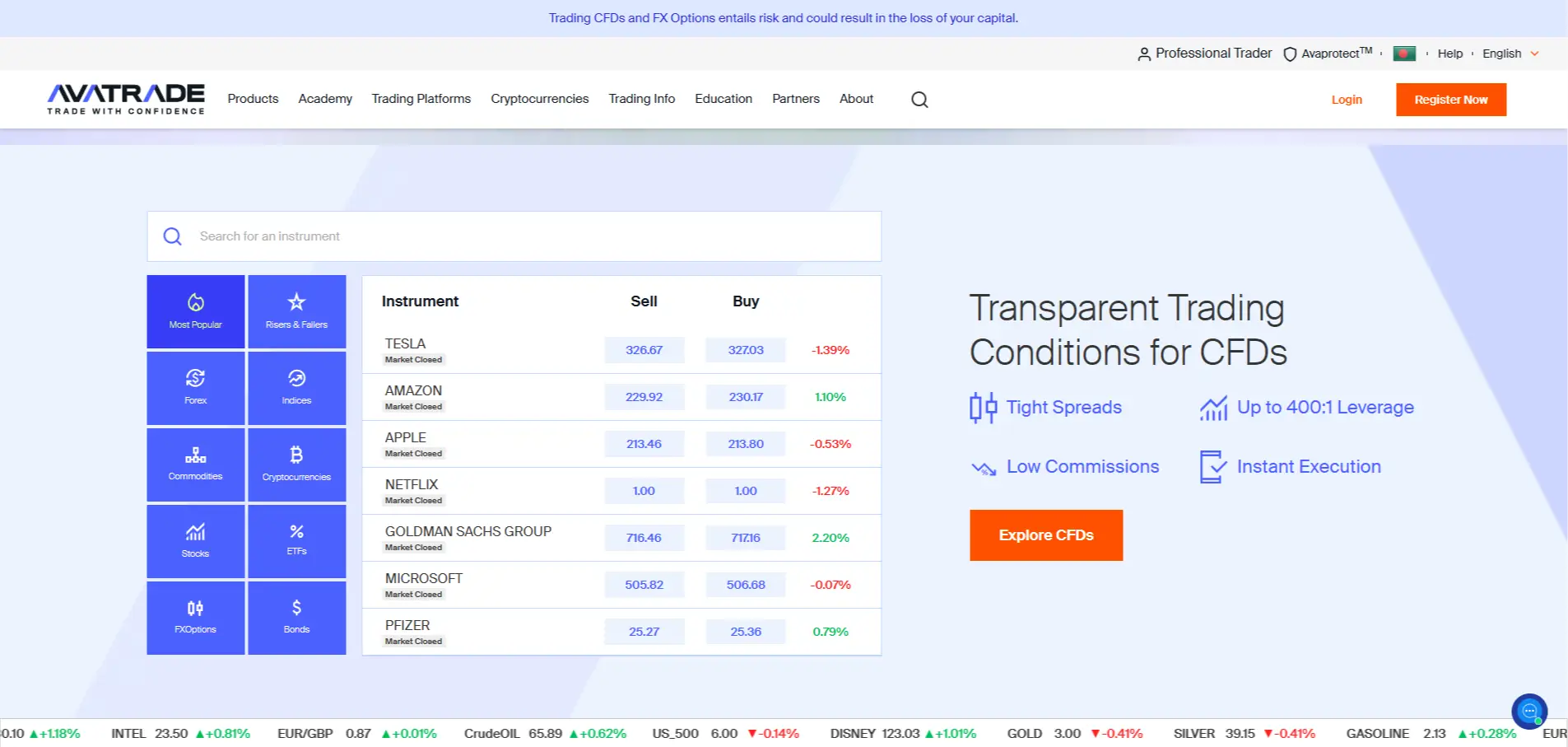
Source: AvaTrade
Similar to LiteFinance, the spread starts at 0.0 pips and can reach up to 0.9 pips for the major currency pairs. For example, for the EUR/USD pair, the current spread is 0.8. However, as you are aware, this changes over time due to market conditions.
Whenever I put together a list of low spread brokers, IC Markets always cuts—and for good reason.
Known for its ultra-tight spreads, starting from 0.0 pips, and raw pricing through ECN execution, it’s a top choice for traders who prioritize cost-efficiency and lightning-fast execution.
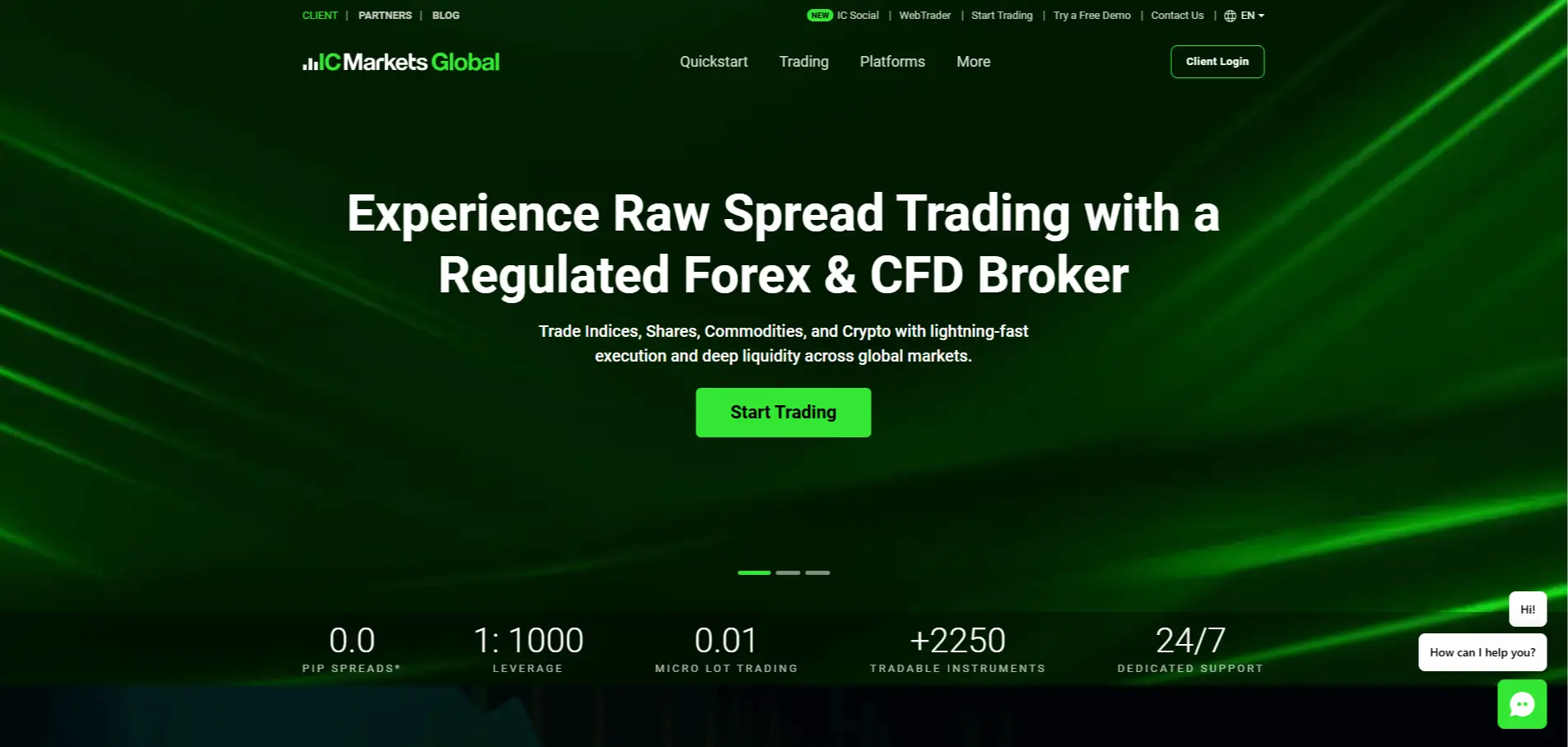
Source: IC Markets
Even if the minimum deposit is a bit higher compared to its strongest competitors, the low commissions and spreads make it a suitable choice for many. For cTrader and Raw Spread accounts, the average spread is 0.0 pips, which seems very convenient.
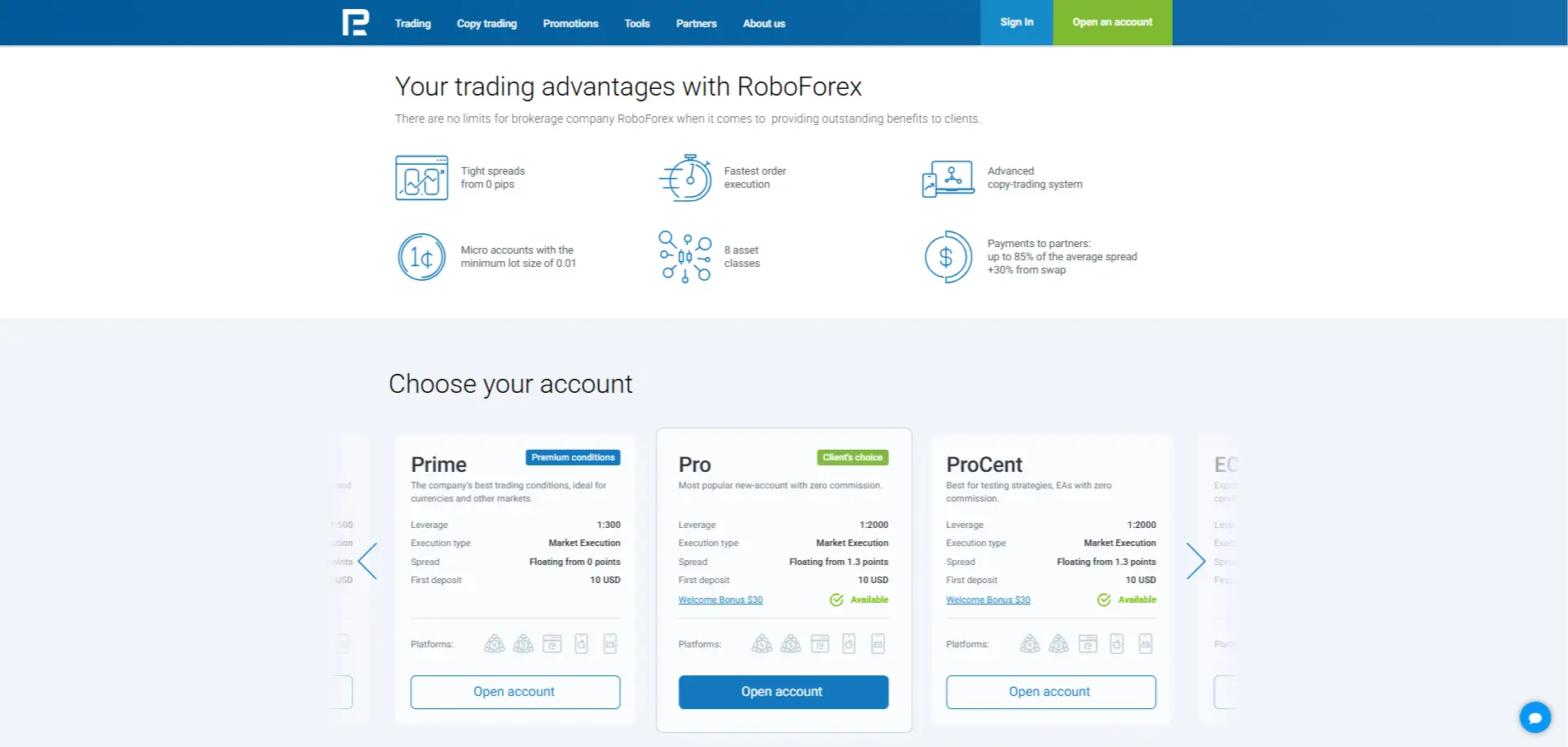
RoboForex is another strong contender when it comes to low spread Forex brokers. With spreads starting from 0.0 pips on ECN accounts and a range of flexible trading options, it’s well-suited for both beginners and experienced traders.
Source: RoboForex
With a broker like RoboForex, you’re getting fair and transparent pricing. For major pairs like EUR/USD, the spread is around 1.6 pips, which is quite competitive.
Even for pairs like EUR/AUD, where the spread can reach 2.3 pips at times, it still offers solid value considering the fast execution and overall trading experience.
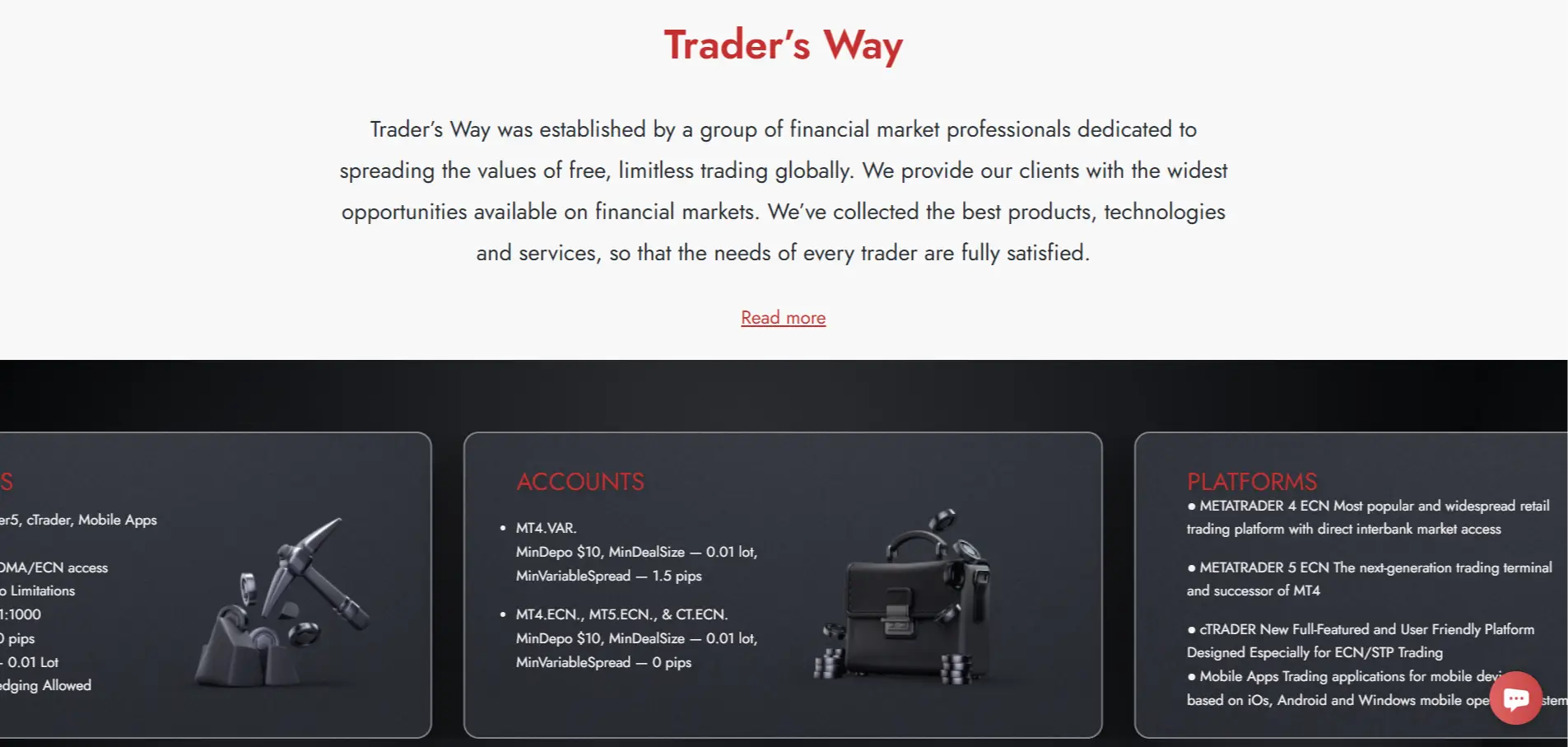
Even though Trader’s Way isn’t regulated, many traders still trust it. It offers lightning-fast execution and ultra-low spreads ranging from 0.0 to 0.7 pips. With a minimum deposit of just $10, it’s beginner-friendly and flexible. Regulation is essential, but here, performance and pricing have won traders over.
Source: Trader'sWay
Plus, you’ll find accounts with no commissions. Options like MT4.ECN, MT4.VAR and CT.ECN is all available. This gives you flexibility and keeps costs low. It’s perfect for traders who want to maximize every pip.
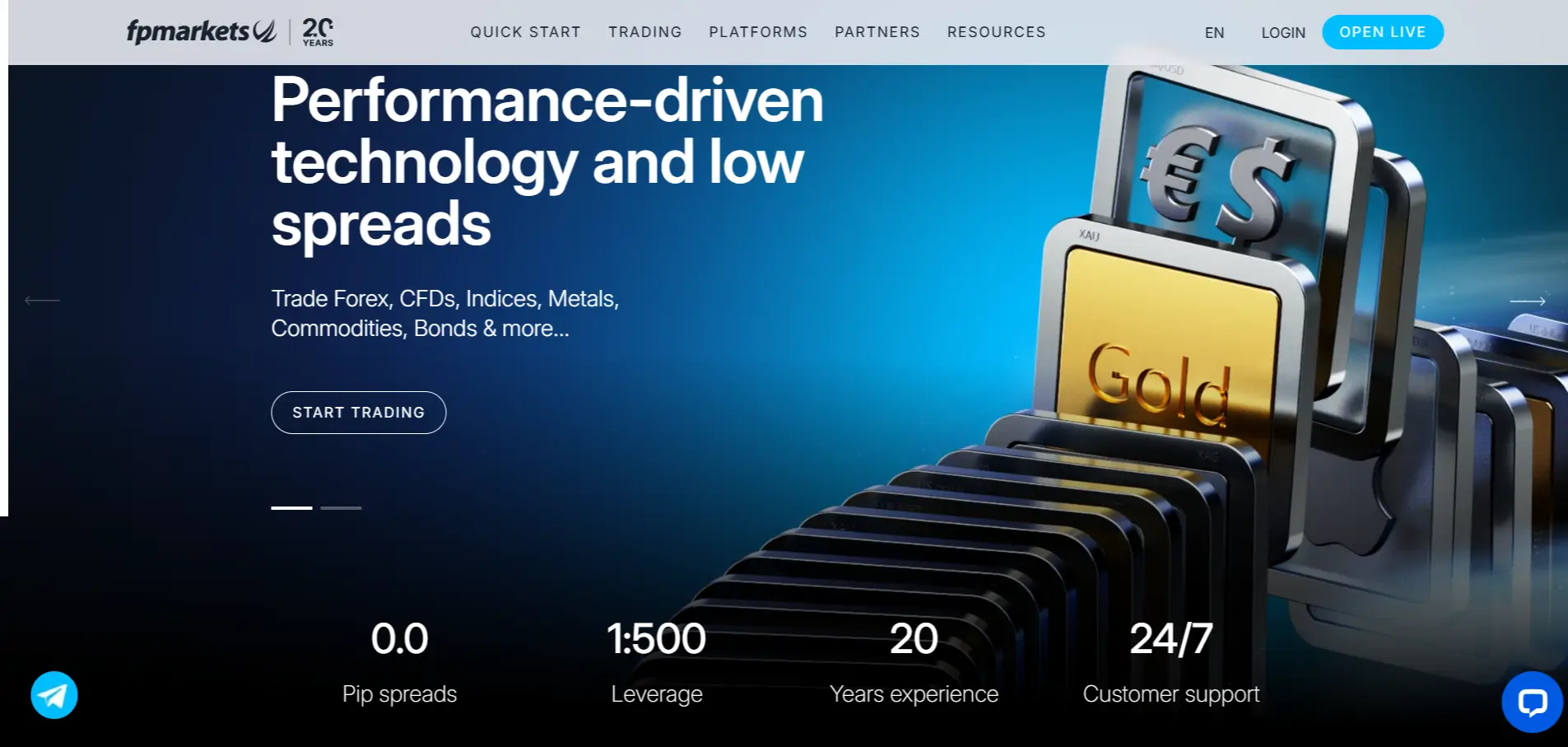
FP Markets has been a game-changer for me when it comes to low spreads. I’ve tested several brokers, but none consistently offer spreads as tight as FP Markets—especially on major pairs like EUR/USD.
Source: FP Markets
This means lower trading costs and more profit potential on every trade. The execution is fast, and there’s complete transparency, which builds trust. I also appreciate their solid platform options and responsive customer service.
For traders who prioritize minimizing costs without compromising performance, FP Markets is a top choice. It’s now a core part of my trading setup.
Spreads change because the market never sits still. You pay more when the market gets busy or when your broker faces higher costs.
You pay less when trading conditions stay stable. Here’s how it works.
Liquidity affects your spread. When many buyers and sellers trade a currency pair, you get tighter pricing. Major pairs like EUR/USD usually stay cheap because global banks and funds trade them all day. But exotic pairs often cost more because fewer people trade them.
Volatility also pushes spreads up. You see this during news releases. For example, the US jobs report hits the market and spreads on almost every pair widened for a few minutes. Prices jump fast and broker systems adjust to protect you from bad fills. If you place a market order during this time, you pay more.
Your trading session matters too. Spreads stay tight during the London and New York overlap because trading volume reaches the day’s peak.
At night, when Tokyo and Sydney run the show, the market slows and spreads expand.
Your broker’s model also plays a role. ECN brokers usually give you raw spreads plus a commission. Market makers bake their charges into the spread itself. And your internet connection influences the final price you receive. A slow connection delays your order and increases your chance of paying more.
Fixed spreads stay the same, and you pay the same cost even when the market gets busy. This helps you plan your trades, but you often pay a slightly higher spread during calm hours. Variable spreads change with market activity.
They stay tight when many traders are active and widen when news hits or the market slows. So you get cheaper trades most of the time, but you face sudden spikes during fast moves.
Here’s the thing.
Both work, but you need to match them with your style. If you want stable costs, fixed spreads make sense. If you want lower costs in active hours, variable spreads fit better.
| Fixed Spread | Variable Spread |
|---|---|
| Stay the same | Change with market activity |
| Stable costs | Lower costs in busy hours |
| Less impact from news | Wider during news |
| Good for planning | Good for active traders |
| Usually higher in calm markets | Usually lower in normal markets |
Low spread brokers help you keep trading costs low from the start. You pay less on each order, so your small wins stay intact.
And when you trade with a small account, that difference matters. Low spreads also give you cleaner entries because the price you expect is close to the price you get. But here’s the thing.
A low spread alone does not make a broker safe. You still need steady execution, clear fees, and a platform you understand. For example, a broker with low spreads but constant slippage hurts you. So test it on a demo first. If the fills stay steady, you can trust it as you grow.
Spreads get higher during news because the market moves faster than normal. You see this during events like the US jobs report or central bank updates. As the news hits, traders pull their orders, and liquidity drops.
With fewer buy and sell orders in the book, the gap between the best prices grows, so the spread widens. Banks also adjust their quotes to protect themselves from sharp moves. And when the price jumps in seconds, your broker updates the spread to avoid filling you at a level that no longer exists.
Here’s the thing. Fast markets break the usual flow. Algorithms place orders, cancel them, and rebuild the book again. This clears the available prices and leaves you with a wider spread until the market steadies.
For example, gold can move several dollars in one second during major news.
The platform widens the spread because the price you saw a moment ago is gone.
So the smart move is simple. Avoid fresh entries right when the news drops. Give the market a few minutes to settle. Once liquidity returns and traders place orders again, spreads fall back to normal and you trade at a fair cost.
Besides choosing a low spread broker, you get another benefit when you pick one that offers VPS support. Here’s how it works. Your trades run on a remote server that stays online all day.
You get faster order execution because the server sits close to the broker’s data center. You avoid delays from weak internet, slow Wi-Fi, or power cuts at home.
| Brokers | VPS Customer Support |
|---|---|
| LiteFinance | 24/5 |
| AvaTrade | 24/7 |
| IC Markets | 24/7 |
| RoboForex | 24/7 |
| Trader'sWay | 24/5 |
| FP Markets | 24/7 |
| AssetsFX | 24/7 |
| Exness | 24/7 |
Low spread brokers matter even more for EU and UK traders because you deal with stricter rules and tighter controls from regulators. You want a broker that keeps your trading costs low while giving you fast execution during busy market hours.
| Brokers | Spread |
|---|---|
| LiteFinance | 0.0-3.0 pips |
| AvaTrade | 0.0-0.9 pips |
| IC Markets | 0.0-0.8 pips |
| RoboForex | 0.0-2.3 pips |
| Trader'sWay | 0.0-0.7 pips |
| FP Markets | 0.0-1.0 pips |
| AssetsFX | 0.0-1.0 pips |
| Exness | 0.0-0.3 pips |
Zero spread forex brokers give you pricing that starts at 0.0 pips on major pairs. Here’s how it works. The broker removes the markup from the spread and charges a set commission for each trade. You see the raw market price, which helps when you scalp or open several trades in a short time.
Here’s the thing. Zero spread does not mean free trading. You still pay the commission, and spreads can rise during news or quiet market hours. For example, a trader who runs a scalping strategy on EURUSD needs stable spreads during the London session.
If the spread jumps from 0.0 to 1.2 during news, the strategy loses its edge. So you always check both the commission and the real spread during active hours.
| Brokers | Broker Type |
|---|---|
| LiteFinance | ECN, STP |
| AvaTrade | ECN, CFD |
| IC Markets | ECN |
| RoboForex | STP |
| Trader'sWay | Forex, CFD |
| FP Markets | ECN, STP |
| AssetsFX | ECN, STP |
| Exness | ECN, STP |
A trader opens five standard lots of EURUSD in a day. A broker that charges a spread of 1.2 pips costs them noticeably more than a broker that offers 0.2 pips.
The difference adds up fast. So when you compare brokers, check the full cost per lot, the average spread during peak hours, and how much you pay if you hold trades overnight.
That gives you a clear picture of what you actually spend.
| Brokers | Commisions |
|---|---|
| LiteFinance | $0-$0.25 |
| AvaTrade | $10 |
| IC Markets | $0-$3 |
| RoboForex | $0-$1.5 |
| Trader'sWay | $0-$3 |
| FP Markets | $0-$3 |
| AssetsFX | $0-$3 |
| Exness | $0-$3.5 |
You pick a low spread broker by checking the numbers that matter. Start with real data. Look at the broker’s live spreads on the pairs you trade every day. A reliable broker keeps EURUSD, GBPUSD, and XAUUSD steady even when the market gets busy. If the spread jumps for no clear reason, the broker isn’t consistent.
Execution decides how much you actually pay. ECN brokers connect you to real liquidity providers, which keeps spreads tight and fills clean. Market makers can still work, but only if they show transparent pricing. If a broker avoids publishing spread history, that is a red flag.
Open a demo account and watch spreads during the London open, New York open, and major news. Strong brokers stay stable. Weak ones widen the spread the moment volatility rises. Also check commissions. Zero pip spreads often include a commission, so add both together to see your real cost.
A slow server increases slippage and destroys the benefit of low spreads. Place a few small orders during busy hours. If they fill quickly, the broker is reliable.
You do not need to test every broker alone. The TopAsiaFX team tracks live spreads, checks execution speed, and reviews how brokers behave in fast markets. They compare real order fills, verify pricing, and remove brokers that fail practical tests. You get recommendations based on data, not hype.
Hidden costs affect your real trading results even when the spread looks low. Commission hits first. ECN brokers often show zero pip spreads, but you pay a fee on each lot. If you trade often, this fee cuts into your profit. You need to add the spread and the commission to understand what you truly pay.
Then comes swap.
You pay or earn this when you keep a trade open overnight. Many traders ignore it until they see their balance drop for no clear reason. For example, holding a long position on certain exotic pairs drains money even when the price barely moves. Check the swap table before you hold a pair for hours.
Now look at slippage. It happens when the price changes between your click and the final fill. You pay more when the market moves fast or when your broker runs slow systems. A common example is trading gold during news.
You click buy at one price and the order fills at a worse level. You cannot avoid slippage fully, but you can keep it small. Test your broker during busy sessions. Strong brokers stay stable. Weak brokers let slippage grow until it eats your profit.
Slippage raises your trading cost, but you can keep it small with a few habits. Use limit orders when you can. A limit order tells the platform the exact price you want, so you avoid bad fills. The best thing you can do is to trade during busy hours.
The London and New York sessions give you the tightest pricing because more traders are active. Avoid placing fresh orders during major news. Prices jump fast and you get worse fills. Check your internet connection. A slow line delays your order and makes you pay more than you planned.
Test your broker’s execution. Place small trades during busy hours and see how clean the fills look. If the order slips often, the broker is slow.
Watch the platform you use. Some platforms react faster than others. Keep your charts simple so your device runs smoothly.
Just think how much easier it would be to grow your profits when your trading costs are minimized, and every pip saved fuels your journey forward.
LiteFinance, AvaTrade, IC Markets, RoboForex, and Traders’ Way don’t just offer some of the lowest spreads in the market—they give you peace of mind, speed, and the competitive edge that every serious trader deserves.
This carefully curated list is more than just numbers and ratings—it’s a gateway to smarter trading decisions, tailored to your goals and trading style.
Choosing a low-spread Forex broker begins with understanding what matters most to you. Look for brokers that clearly show their spreads and fees—transparency is key. You also need to check execution speed and slippage to ensure you obtain the desired price.
Many low spread brokers are safe and regulated, but not all. Regulation by trusted authorities ensures the broker follows strict rules to protect your funds and data. Always verify that a reputable financial body licenses your broker before trading. Low spreads are great, but safety and regulation should never be overlooked.
Fixed spreads stay the same regardless of market conditions, giving you predictable costs. Variable spreads, on the other hand, change with market volatility—they might be low during calm times but widen when markets get busy. Both have pros and cons; it depends on your trading style and preferences.