 Exness
 LiteFinance
 NordFX
 XM
XM
 Vantage
 EBC
EBC
 IUX
IUX
 OctaFX
 South Africa (9)
 India (9)
 Bangladesh (12)
 Germany (9)
 Thailand (10)
 Philippines (9)
 Nigeria (10)




Voted for the best brokers for beginners 2026. Chosen for user-friendly platforms, simplicity, and easy onboarding.



Feeling swamped by broker choices in 2026? You’re not alone. New traders need platforms that are beginner-friendly, secure, and transparent. But when there are more than enough options available, it often becomes hard to choose one.
FP Markets, RoboForex, JustMarkets, Trader’s Way, and TickMill are the best brokers for beginners, offering reliable, fast execution, low spreads, and flexible account types. They bring in the features that make a real difference when you're just starting or looking to scale your strategy.
With years of experience working with a wide range of brokers, today, I’m focusing on reviewing those that consistently stand out for beginners.
If you have been in the Forex trading industry for a while, you may not find it confusing to shift to another broker. But for beginners, what I’ve observed is quite the opposite.
They often struggle with the process. Unfamiliar terms, overwhelming choices, and fear of making the wrong decision can easily create confusion and hesitation.
That said, I’ve spent hours carefully selecting brokers who have proven themselves to be strong contenders in the industry for new traders.
| Brokers | TrustPilot Ratings | Spreads | Regulations | Commissions | Minimum Deposit |
|---|---|---|---|---|---|
| FP Markets | 4.9 | 0.0–1.0 pips | ASIC, CySEC, FSCA | Yes | $100 |
| RoboForex | 2.4 | 0.0–1.3 pips | FSC | Yes | $10 |
| JustMarkets | 4.1 | 0.1–0.3 pips | FSA, CySEC, FSCA, FSC | Yes | $10 |
| Trader’sWay | 4.3 | 0.0–0.7 pips | - | Yes | $10 |
| TickMill | 3.6 | 0.0–1.6 pips | FSA & CySEC | Yes | $100 |
| XM | 4.1 | 0.0–1.6 pips | FSA & CySEC | Yes | $100 |
Does the table above make sense? I know you need to explore more about the broker. Similar to what I have been doing for years, here’s a more in-depth discussion about the best Forex broker for beginners.
FP Markets is undoubtedly one of the most renowned Forex brokers in the world. Along with the expert traders, beginners also find the broker a decent choice due to its comprehensive customer support, user-friendly interface, easy account creation process, and more.
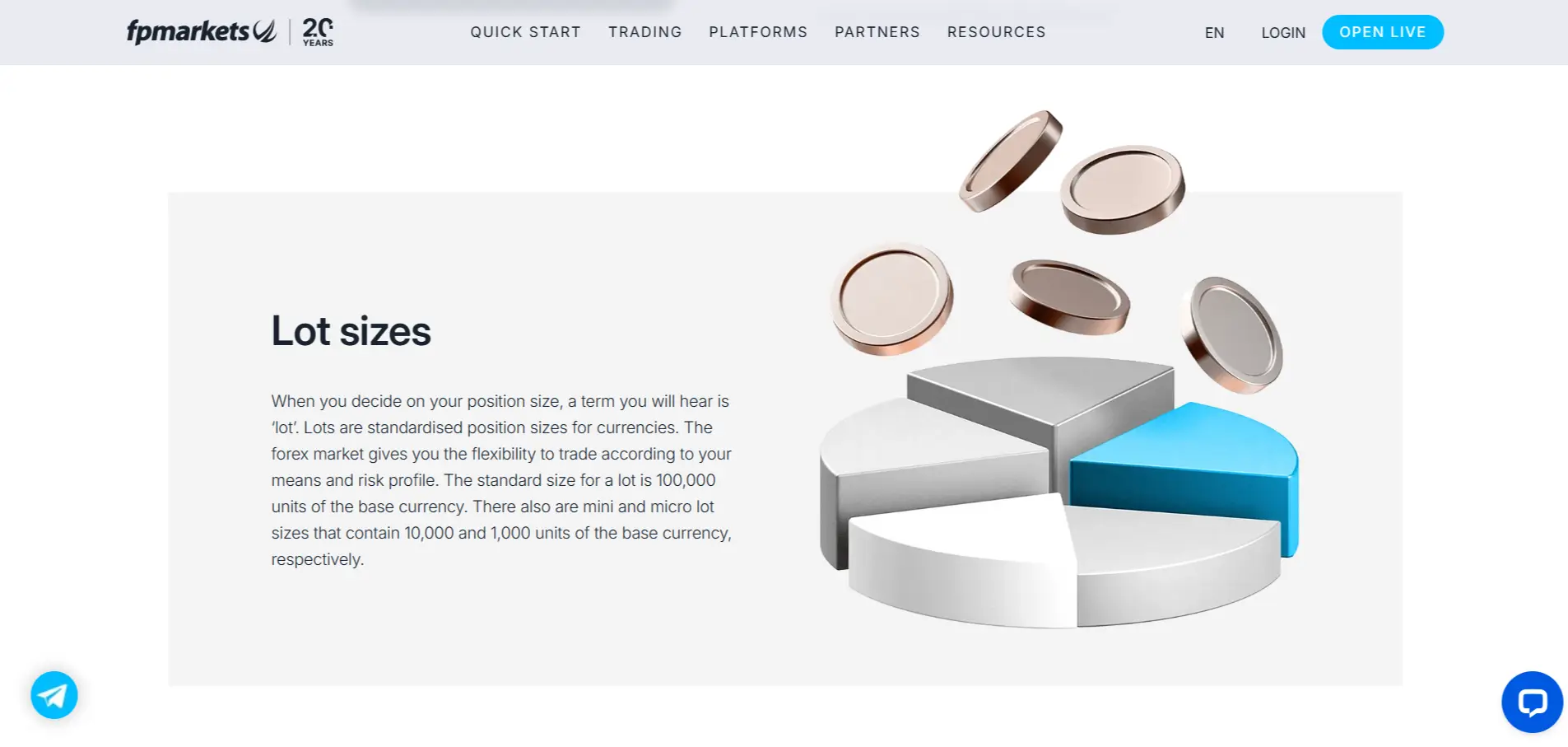
Source: FP Markets
The best part?
FP Markets offers interactive educational materials tailored for beginner traders—making it easier to understand the basics, build confidence, and start trading with clarity and purpose.
Additionally, the broker is backed by reputable financial corporations, including ASIC and CySEC. With a minimum deposit starting from just $100, plus tight spreads, this broker becomes a solid choice for anyone looking to start trading without a substantial upfront investment.
Beginners want more from a broker—and if you're one of them, you can surely relate. It’s not just about placing trades; it’s about feeling supported, informed, and confident every step of the way.
From that perspective, RoboForex stands out by offering user-friendly platforms, educational resources, and flexible account options designed to help new traders grow with ease. You can have the luxury of choosing from five available accounts.
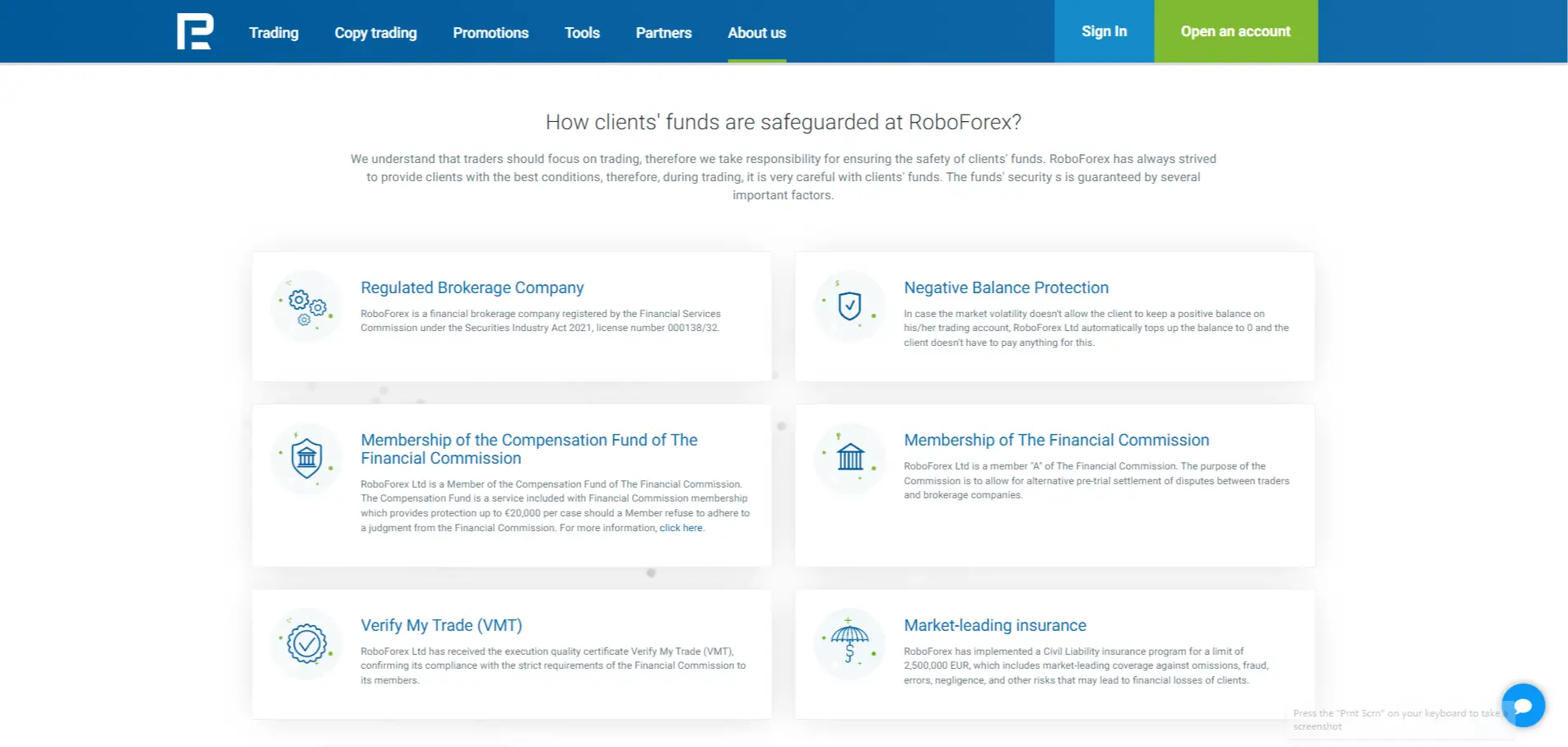
Source: RoboForex
Apart from all these, I really enjoyed their mobile trading features. This brings in comprehensive ease for brokers around the world. For most of the accounts, you don’t need to pay any commissions.
If you want to make a list of the top 10 forex brokers in the world, I will definitely put JustMarkets on the list, not just because of its popularity but because of the consistent value it brings.
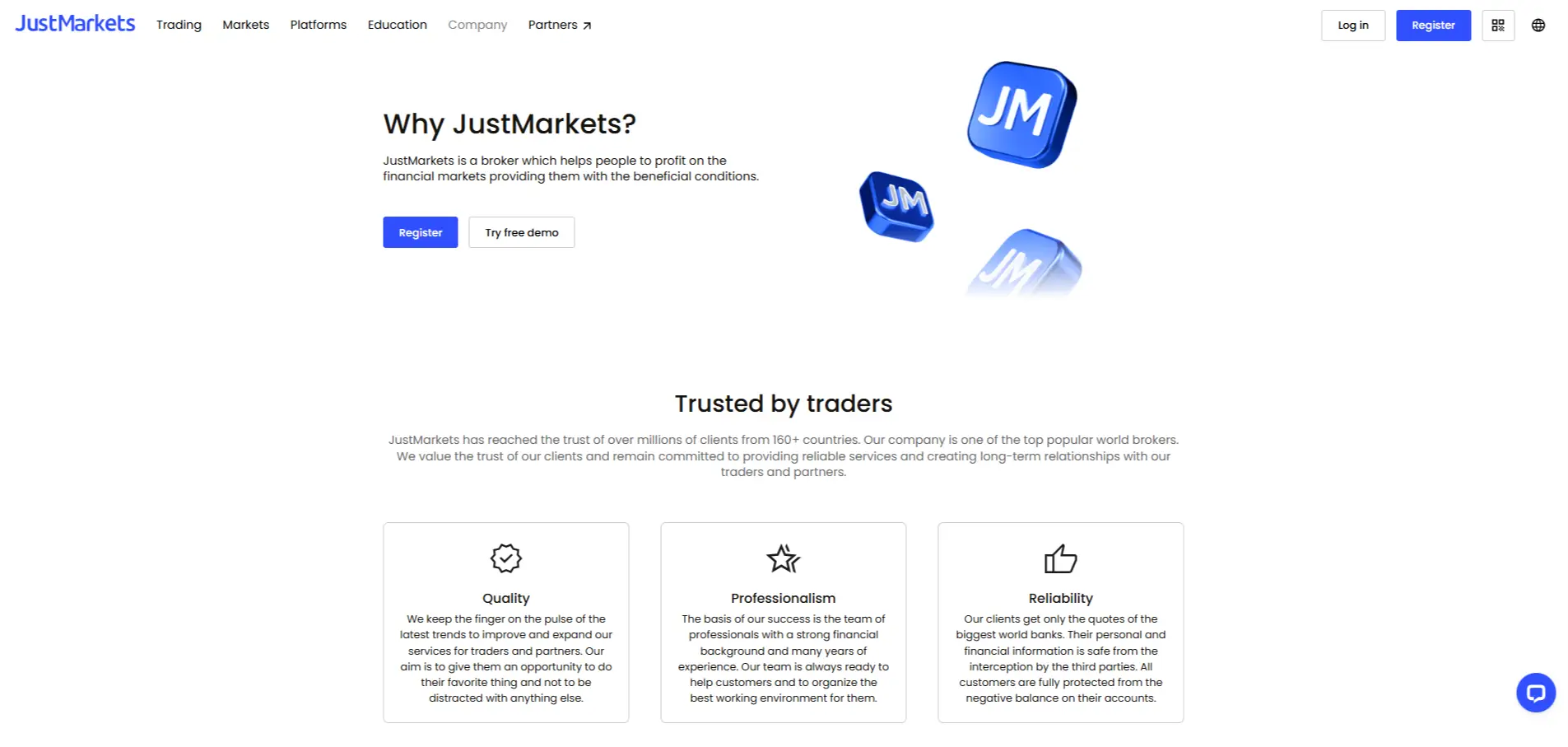
Source: JustMarkets
For example, fast execution, low spreads, and a strong commitment to supporting traders from over 160 countries with reliable tools and resources.
But what, especially for the beginners?
JustMarkets doesn’t disappoint. The educational resources, including trading guides, webinars, and market analysis, are designed to help new traders establish a strong foundation. Combined with demo accounts and a user-friendly interface, it’s an excellent environment for beginners to learn, practice, and grow with confidence.
This is definitely one of the best brokers, with a minimum deposit of just $10—yes, you heard that right.
Trader’s Way has become a top pick for beginner traders thanks to its low entry barrier, fast execution, flexible account types, and the ability to grow skills without risking a large amount of capital upfront.
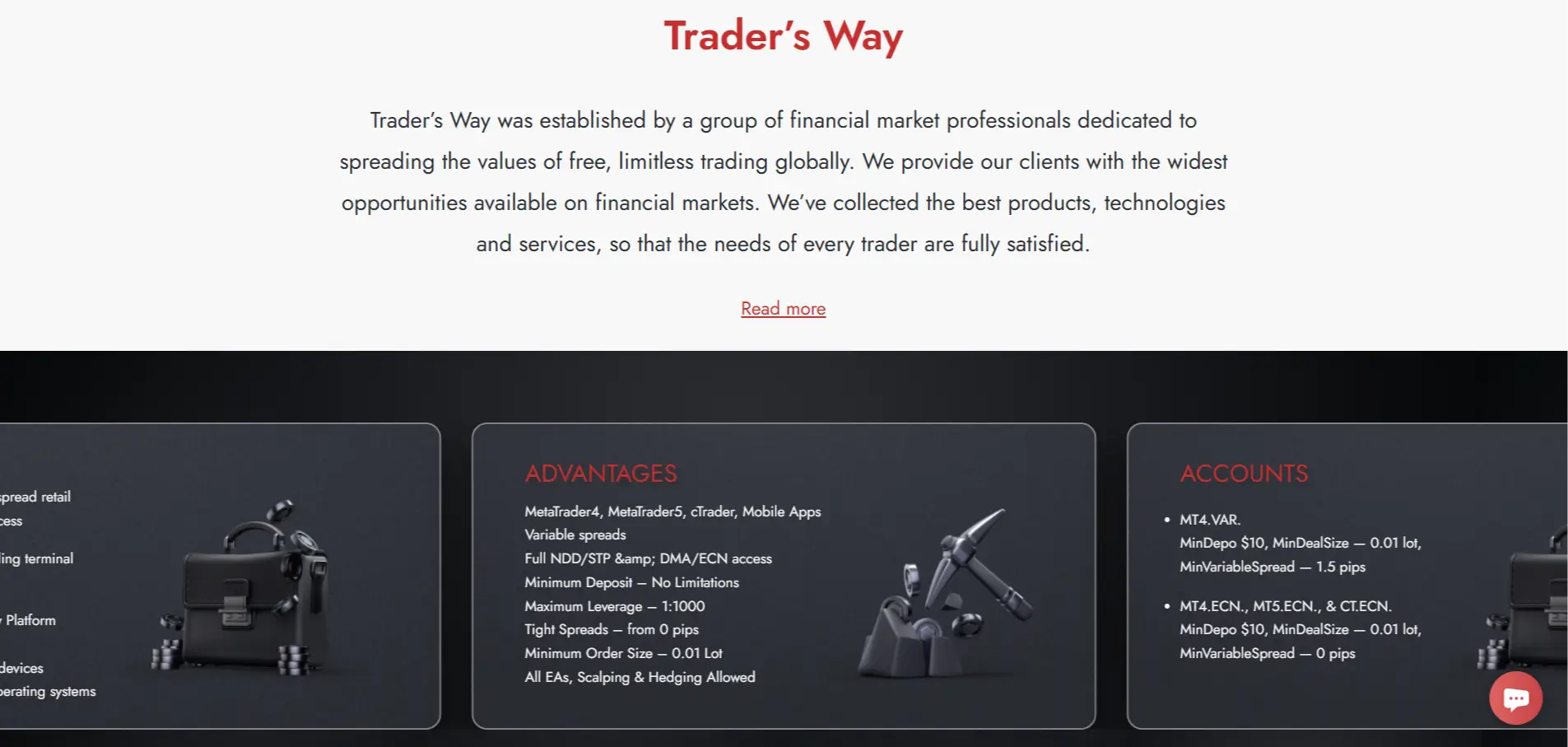
Source: Trader’s Way
Since the beginning of 2011, the broker has played a key role in the trading industry. From lower spreads to a wide range of educational materials, Trader’s Way provides the tools and support beginners need to start strong.
The execution speed is impressively fast based on my experience. Furthermore, the brokers offer user-friendly trading platforms and excellent customer support, which is particularly beneficial for new traders.
A few days ago, I was discussing TickMill with a friend who recently started trading. He was impressed by its user-friendly platform, competitive spreads, and strong customer support.
And what he precisely shared was how TickMill’s fast execution and low fees helped him enter the market without feeling overwhelmed. Really good to know.
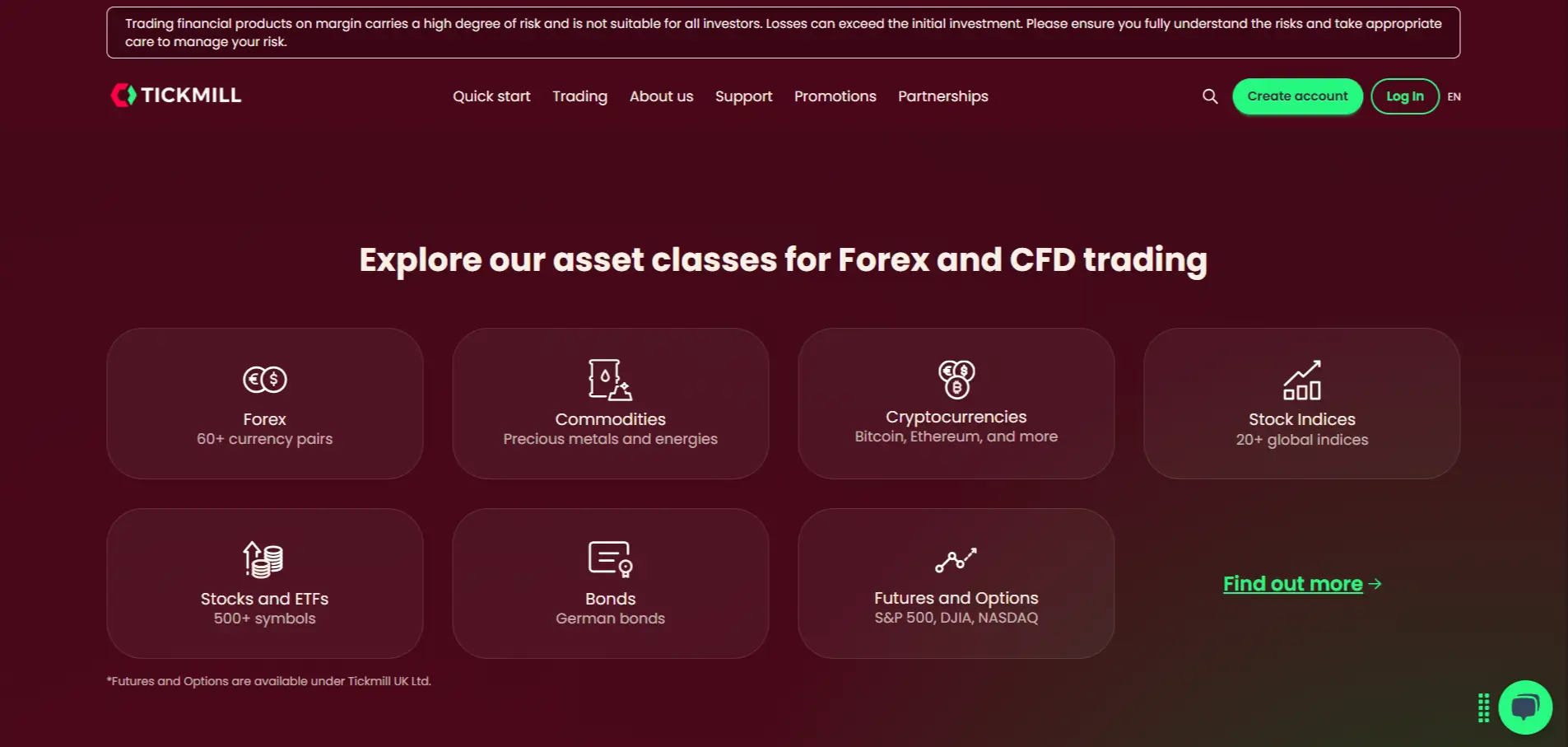
Source: TickMill
The broker was established back in 2014.
Not only has it earned a reputation for being beginner-friendly, but it has also consistently evolved its platforms and services to meet the needs of traders at all levels.
TickMill also offers pretty low slippage, which has been the key consideration for brokers of all types. Also, in terms of fees and transaction speed, the broker stands out by offering competitive pricing with minimal commissions.
You’ve stayed up all night—staring at charts, tweaking strategies, waiting for that perfect trade. Then just as you're about to hit "Buy," your platform crashes. This is the kind of nightmare traders hate. This is exactly why so many are turning to XM Broker.
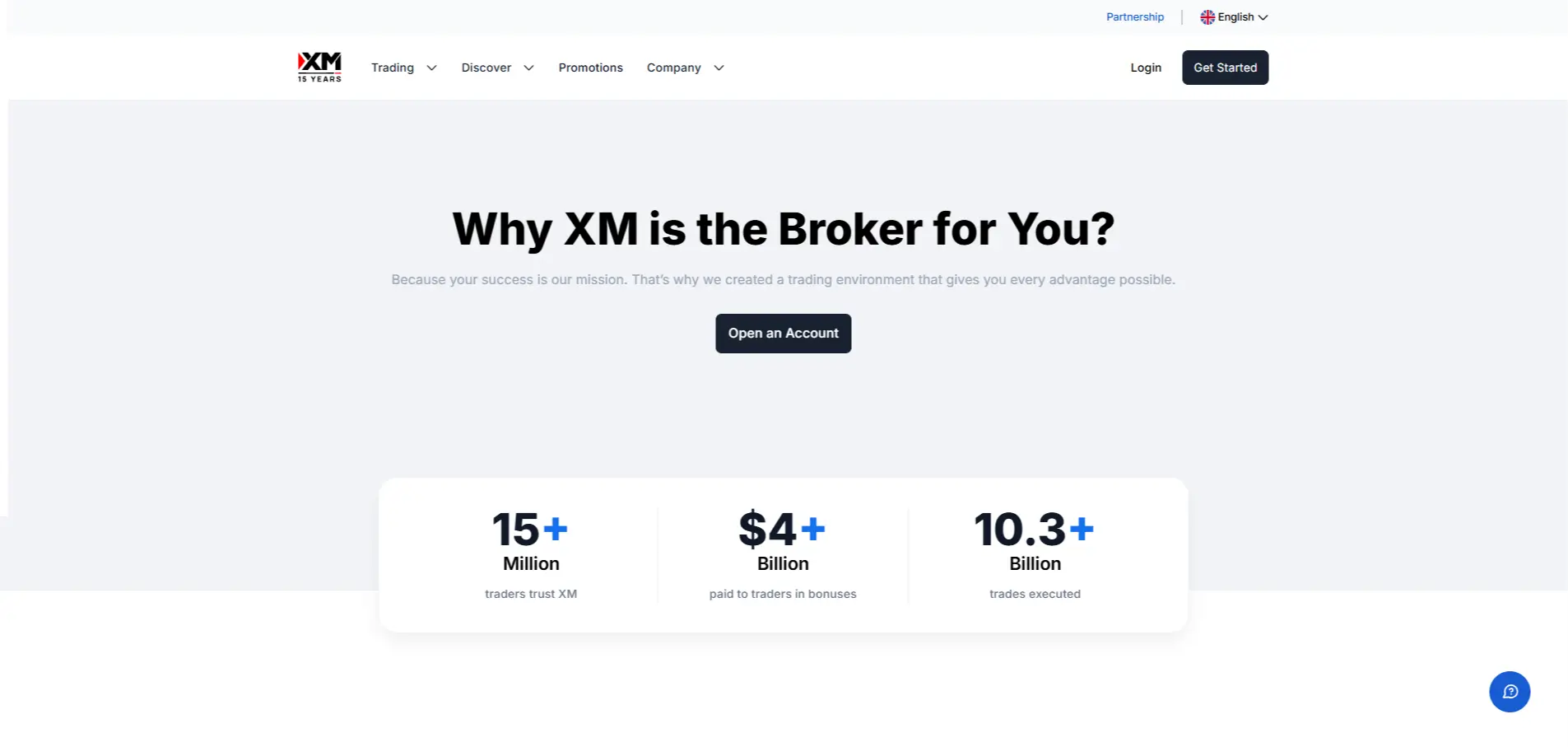
Source: XM
Since launching in 2009, XM has built trust with millions worldwide. This broker offers what traders crave: zero requotes, lightning-fast executions, and spreads starting from just 0.0 pips. This is the kind of reliability that makes all the difference when timing is everything.
A beginner in forex trading is someone who is still learning how the market works and has limited experience placing real trades.
If you are still getting used to pips, spreads, lot sizes, and leverage, you fall into this stage.
And it is completely normal because every trader starts with the basics.
Being a beginner has nothing to do with age or confidence. It depends on the amount of real practice you have.
For example, you might watch tutorials for weeks, but if you never try a demo account, you are still a beginner. And if you place a few trades but cannot explain your risk per trade, you are still learning the core skills.
You move past the beginner stage when you can read charts with clarity, choose position size with purpose, and follow a simple trading plan without second guessing. Until then, you are building a foundation that gives you long term stability.
A broker is good for beginners when it helps you learn the basics without making trading harder than it needs to be.
You want a platform that feels simple when you first log in. You also want clear pricing so you know exactly what you pay each time you open a trade. And that matters because beginners often place small trades and can’t afford hidden costs.
A good beginner broker gives you a clean interface, fast order execution, and an easy way to check spreads, fees, and charts. For example, if you trade EURUSD for the first time, you should see the spread in plain numbers instead of searching through menus. And when you place a demo trade, the platform should respond without delay so you learn how the process works.
Real support also makes a difference. If you get stuck, you want answers that explain things in simple words.
Not marketing lines. Not complicated terms. Just straight guidance. You should also have access to a demo account that feels like the real thing. That gives you space to practice position size, risk per trade, and stop loss placement.
A strong beginner broker keeps things clear, stable, and predictable so you focus on learning, not fighting the platform.
Beginners need low fees and simple platforms because it keeps trading clear and manageable. When you start, you want to know exactly what you pay each time you open a position.
High spreads or extra charges cut into your balance quickly, especially when you trade small lot sizes. So keeping costs low gives you more room to learn.
And a crowded platform slows you down. You should see your charts, buttons and prices without digging through layers of menus.
A first-time trader might open EURUSD and hesitate because they can’t locate the spread or order window. That hesitation breaks focus. A clean layout and low fees let you practice the basics with confidence and build skill at your own pace.
How much money you need to start forex trading depends on how you want to learn. Most beginners start with a small amount because it keeps the pressure low and gives room to make mistakes without fear.
You can open many accounts with as little as 10 or 25 dollars, but that amount teaches you process, not profit.
If you want a smoother learning path, starting with 100 to 300 dollars gives you enough space to place trades, manage risk and understand how position sizes work in real time.
Here’s the thing. You don’t need a large balance to build skill. You need consistency and a platform that shows you how each decision affects your account.
When I first tested forex, I started with a small balance because I wanted to see how spreads, swaps and order execution worked. I wasn’t trying to grow the account fast. I simply wanted to understand what happened each time I clicked buy or sell. And that experience taught me more about discipline than any video.
With that said, you should only use money you can afford to lose. The goal at the beginning is to learn how the market moves and how you react to it. Once you understand that, increasing your capital becomes a practical next step.
Forex trading carries real risk for beginners because the market moves quickly and you react before you fully understand what those moves mean. Price jumps, widening spreads and sudden slippage can shake your confidence if you’re still learning how to protect your account.
A word of caution: even experienced traders repeat the famous line from Paul Tudor Jones, “Losers average losers.” It’s a reminder that adding to a losing trade only deepens the problem. You stay safer by keeping your size small, placing clear stop losses and treating each decision with patience rather than urgency. Respect the risk, and you keep control.
Many new traders feel nervous when they face a live chart for the first time, and that tension can push them into rushed clicks. A demo account removes that pressure. It lets you look around the platform, test simple ideas and see how orders behave without touching your actual balance.
You place a few trades, adjust the lot size, move a stop loss and watch how each choice changes the outcome.
Better yet, you build a sense of timing that no tutorial video can give you. On the other hand, going live too early often leads to confusion because you react faster than you can think. So that is why many beginners start on a demo: you learn the basics in peace, then step into real trading with a calmer mind.
When you first step into forex, you look for a platform that lets you breathe. MT4 gives you that because the layout feels simple and the tools sit right where you expect them. As you read each word of this page, you can see why many beginners reach for it. The learning curve stays light and you feel in control.
MT5 comes with more timeframes and faster processing and that can help you once you gain a bit of speed. Also, you get a wider set of features that grow with you. More important than that, the platform reacts quicker when you trade during busy hours.
On the other hand, you’ll find some new traders say MT5 demands more focus than they can manage in the first few weeks. In reality, it depends on how much mental space you have. If you want a calm place to practise, MT4 keeps things clear. If you prefer extra depth from the start, MT5 makes room for that.
So that is why the better choice comes from knowing how you like to learn.
As you read each word of this page, think about what you need most at the start: guidance you can understand and a clear view of how trades work. Copy trading gives you that by letting you follow someone with more experience. Better yet, you see how they manage entries, exits and risk without guessing.
But here’s the problem.
If you copy without learning the basics, you depend on someone else’s decisions and never build your own skill. So you’ll be glad to know the smarter approach is simple: use copy trading as support, not a shortcut. Learn alongside it, not instead of it.
You want a broker that feels simple from day one. You need clear charts, easy controls, and support that actually helps. The best broker for beginners gives you a clean setup, low costs, and a safe place to learn. You get room to practice and the confidence to start trading for real.
| Brokers | Demo Accounts |
|---|---|
| FP Markets | Yes |
| Exness | Yes |
| AssetsFX | Yes |
| RoboForex | Yes |
| JustMarkets | Yes |
| Trader’sWay | Yes |
| TickMill | Yes |
| XM | Yes |
Low-spread brokers cut your trading costs. High-leverage accounts amplify every move. You get tight pricing and stronger position control, but the risks grow fast. If you compare brokers, focus on safety, regulation, and clear margin rules. Low spreads help you save; high leverage demands strict discipline.
| Brokers | Leverage |
|---|---|
| FP Markets | 1:500 |
| Exness | 1:Unlimited |
| AssetsFX | 1:1000 |
| RoboForex | 1:2000 |
| JustMarkets | 1:3000 |
| Trader’sWay | 1:1000 |
| TickMill | 1:1000 |
| XM | 1:1000 |
You want a broker that keeps your costs low because every fee cuts into your balance. Low-fee brokers reduce spreads, trim commissions, and avoid hidden charges. Better yet, you stay in control of your money. The point is simple: lower costs give you more room to trade with confidence.
| Brokers | Commisions |
|---|---|
| FP Markets | $0-$3 |
| Exness | $0-$3.5 |
| AssetsFX | $0-$3 |
| RoboForex | $0-$3 |
| JustMarkets | $0-$3 |
| Trader’sWay | $0-$3.5 |
| TickMill | $0-$3 |
| XM | $0-$3 |
We all want faster trades. And that’s why it is really important to choose a broker with fast order execution even if you are a beginner. Here comes the importance of brokers with ECN accounts. The combination of zero spread and an ECN account available is what you should be eyeing for.
| Brokers | Starting Spread |
|---|---|
| FP Markets | 0.0 pips |
| Exness | 0.0 pips |
| AssetsFX | 0.0 pips |
| RoboForex | 0.0 pips |
| JustMarkets | 0.0 pips |
| Trader’sWay | 0.0 pips |
| TickMill | 0.0 pips |
| XM | 0.0 pips |
| LiteFinance | 0.0 pips |
| Exness | 0.0 pips |
As a beginner, you might not find trading easy from day one. What should you do then? A broker with comprehensive customer support can guide you through the platform, explain order types, help you complete verification, resolve withdrawal issues, and more.
So I asked my team to dig into the data, and based on years of working with many brokers, these are the ones that truly deliver strong customer support.
| Brokers | Customer Support |
|---|---|
| FP Markets | 24/5 |
| Exness | 24/7 |
| AssetsFX | 24/5 |
| RoboForex | 24/7 |
| JustMarkets | 24/7 |
| Trader’sWay | 24/7 |
| TickMill | 24/5 |
| XM | 24/7 |
| LiteFinance | 24/5 |
| Exness | 24/7 |
The best brokers for beginners reviewed above—FP Markets, RoboForex, JustMarkets, Trader’s Way, and TickMill—aren’t just names on a list. They’ve earned their place through consistent performance, transparency, and a genuine commitment to beginner traders.
Take your time, explore wisely, and remember: choosing the right broker is your first big step toward becoming a confident, independent trader. You’ve got this.
This completely depends on the broker you choose for trading. Some brokers allow you to start with as little as $10, while others may require a minimum deposit of $100 or more. The key is to find a broker that strikes a balance between affordability and features such as strong educational support, demo accounts, and a user-friendly platform.
If a broker offers a demo account, you should definitely take advantage of it. Demo accounts are essential for beginners. In fact, they allow you to practice trading in real market conditions without risking real money. It's the perfect way to learn how platforms work, test strategies, and build confidence before going live.
Yes, you can. Most Forex brokers today offer mobile trading apps that allow you to manage trades, monitor markets, and access analysis tools right from your phone. These apps are designed to be fast, secure, and user-friendly—so you can trade anytime, anywhere.
Yes, it can be. Copy trading allows beginners to follow and replicate the strategies of experienced traders. It reduces the learning curve and helps build confidence. However, it's still important to understand the basics of trading and manage risk carefully.
Yes, many beginner-friendly brokers now offer crypto trading alongside forex and other assets. Platforms like RoboForex, JustMarkets, and FP Markets offer access to popular cryptocurrencies, including Bitcoin, Ethereum, and others, often through simplified interfaces and educational support.